Avocado Toast Recipe: 5 Gourmet Ways to Golden Crunch
Few breakfast creations have captured contemporary dining culture quite like an impeccably assembled Avocado Toast Recipe. What appears on the surface as humble smashed green fruit atop warm bread is, in reality, a culinary masterclass in contrasting textures and complementary flavor profiles. From the deafening golden crunch of artisanal wild yeast sourdough to the velvety richness of ripe Hass avocados cut by cold-pressed lime juice, every single bite delivers unmatched satisfaction. Whether you enjoy it as a rapid five-minute morning fuel or elevate it with poached eggs, shaved breakfast radishes, and fiery condiments, mastering this foundational dish transforms everyday cooking into a luxurious cafe ritual.
Table of Contents
The Phenomenon of the Modern Avocado Toast Recipe
The global ascent of avocado toast from an Australian cafe specialty to an international menu staple represents one of the most remarkable food movements of the twenty-first century. Our kitchen portfolio at Felis Recipes celebrates nourishing morning staples such as creamy Overnight Oats Recipe, robust Mediterranean Shakshuka Recipe, and indulgent weekend French Toast Recipe. Yet, the timeless simplicity of a perfectly calibrated avocado toast recipe occupies a unique pedestal because it bridges wholesome vitality with irresistible luxury.
Many home cooks make the mistake of treating avocado toast as an afterthought, simply spreading mashed avocado onto ordinary sandwich bread. However, true culinary excellence demands careful attention to three pivotal elements: selecting properly ripened fruit with peak oleic acid development, establishing a rigid carbohydrate foundation that resists moisture transfer, and seasoning with assertive acids and mineral salts to cut through dense lipids. When these elements harmonize, the result is nothing short of extraordinary.
Botanical Anatomy of Hass Avocados and Lipid Profiles
To craft an unforgettable avocado toast recipe, one must first appreciate the biological composition of the fruit. Botanically categorized as a single-seeded berry from the species Persea americana, the avocado is unique in the plant kingdom because its mesocarp stores energy as monounsaturated fatty acids rather than starches or soluble sugars. The Hass variety, characterized by its pebbled skin that shifts from emerald green to deep purplish-black upon ripening, constitutes over eighty percent of worldwide consumption due to its superior oil concentration.
According to comprehensive agricultural research published by the USDA Agricultural Research Service, a typical Hass avocado contains approximately 71 percent monounsaturated fatty acids, predominantly oleic acid. This healthy monounsaturated fat provides the signature creamy mouthfeel and natural richness that mimics whipped dairy butter. Furthermore, peak ripeness brings a delicate nutty flavor accompanied by natural glutamates that provide savory depth.
When selecting fruit at the market, avoid relying exclusively on external skin pigmentation. Instead, apply gentle pressure with the ball of your thumb near the stem end. A properly ripe specimen should yield slightly under gentle pressure without feeling spongy or hollow. Alternatively, gently flick away the small stem nub: if the cavity beneath displays vibrant yellow-green flesh, the fruit is at its peak; if it reveals brown discoloration, the avocado is overripe and will exhibit unpleasant stringy fibers and oxidized flavors.

The Bread Foundation: Choosing and Griddling the Perfect Slice
The greatest adversary of any avocado toast recipe is unwanted sogginess. A slice of standard grocery store pre-sliced sandwich bread collapses structurally within ninety seconds of contact with mashed avocado. To withstand the substantial weight and moisture of mashed fruit, poached eggs, and finishing oils, your bread must possess a dense crumb structure and a sturdy, blistered crust.
Artisanal country-style sourdough loaf reigns supreme. The wild fermentation process creates lactic and acetic acids that impart a distinctive tang, contrasting beautifully with the buttery richness of the avocado. Furthermore, long-fermented sourdough develops an open gelatinized gluten web that, when toasted correctly, creates a shatteringly crisp exterior while retaining a chewy interior crumb.
For the ultimate crunch, bypass the pop-up toaster entirely. Instead, heat a heavy cast-iron skillet over medium heat. Brush both sides of a half-inch thick slice of sourdough generously with extra virgin olive oil or clarified butter. Sear each side for two to three minutes until deeply golden brown and audibly crisp. While the toasted bread is still hot, take a freshly peeled clove of garlic and rub it gently across the rough surface of the crust. The abrasive toasted bread acts like a microplane, depositing microscopic garlic oils that introduce an alluring aromatic base note without overwhelming raw pungency.
Bread Characteristics and Toasting Matrix
Review the comprehensive bread evaluation matrix below to match your morning pantry options with the ideal toasting technique:
| Bread Variety | Crumb Density | Structural Rigidity | Flavor Profile | Recommended Toasting Method | Best Pairing Variant |
|---|---|---|---|---|---|
| Artisanal Sourdough | Medium-Open with Sturdy Air Pockets | Exceptional (Resists all moisture) | Lactic tang, fermented wheat, earthy | Skillet sear in extra virgin olive oil | Classic Poached Egg and Flaky Salt |
| Seeded Multigrain | Dense with Whole Grains and Seeds | Very High (Firm bite) | Nutty, toasted sesame, sunflower sweetness | Heavy pan toast with clarified butter | Smoked Salmon and Fresh Dill |
| Thick Brioche | Tight and Highly Enriched | Low-Medium (Sponge-like) | Sweet, buttery, tender crumb | Dry skillet toast or light oven broil | Sweet and Spicy Hot Honey Drizzle |
| Rustic Ciabatta | Very Open with Large Cavities | High (Chewy blistered crust) | Mild, wheaty, delicate olive oil notes | Cast-iron grill press with sea salt | Burrata, Cherry Tomatoes, and Pesto |
| Dense Rye / Pumpernickel | Compact and Heavy | Maximum (Zero bending) | Robust caraway, malty, deep earthiness | Standard toaster on dark setting | Pickled Radishes and Cream Cheese |
Choosing the correct loaf guarantees that your base remains remarkably crisp from the initial slice until the very final bite, providing the necessary mechanical resistance against soft toppings.
The Scientific Emulsion: Salt, Acid, and Gentle Fork Mashing
One of the most frequent culinary debates centers around texture: should avocado be blended into a smooth guacamole paste, or roughly crushed into chunky rustic pieces? Professional chefs overwhelmingly favor a deliberate fork smash. Pureeing avocado in a food processor shears the natural cellular structure excessively, releasing free water that turns runny and unappetizing. In contrast, crushing ripe halves with the tines of a sturdy fork leaves distinct buttery chunks suspended within a luscious green matrix, delivering textural variation across the palate.
Chemical balance is equally critical. Avocados contain polyphenol oxidase, an enzyme that reacts with atmospheric oxygen to produce dark melanin pigments, causing rapid browning. Introducing citric acid from fresh lime juice or lemon juice drops the surface pH below 4.0, drastically slowing down enzymatic oxidation while introducing essential tartness. As culinary experts at Serious Eats frequently emphasize, acid does not merely prevent discoloration; it actively cuts through the heavy fat coating of the tongue, amplifying aromatic nuances.
Never omit coarse mineral salt during the initial mash. Sodium ions enhance flavor perception by suppressing bitter taste receptors and elevating natural sweetness. Incorporate flaky sea salt (such as Maldon) both during the gentle mashing phase and as a textured finishing garnish just prior to serving.
5 Gourmet Avocado Toast Recipe Variations
While classic seasoned avocado on toasted sourdough is undeniably satisfying, customizing your toast with gourmet toppings transforms a quick morning snack into a restaurant-worthy feast. Here are five elevated flavor compositions designed for every palate:
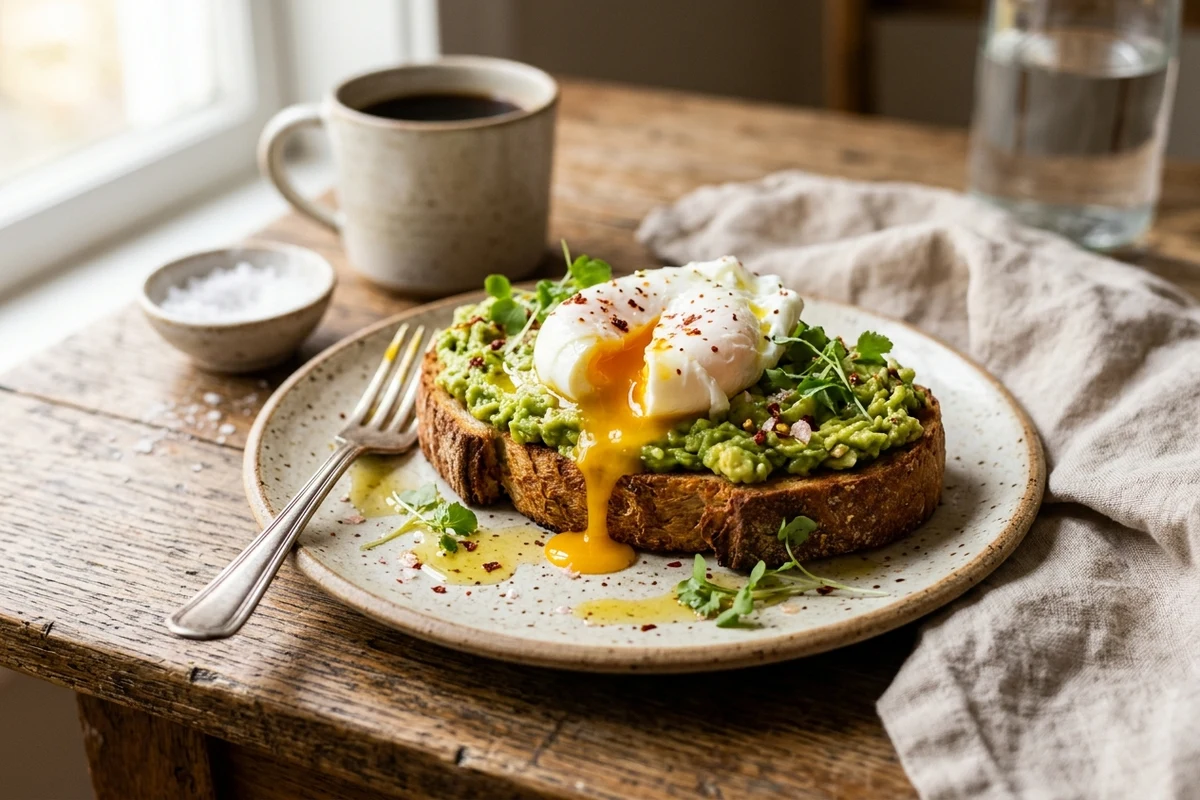
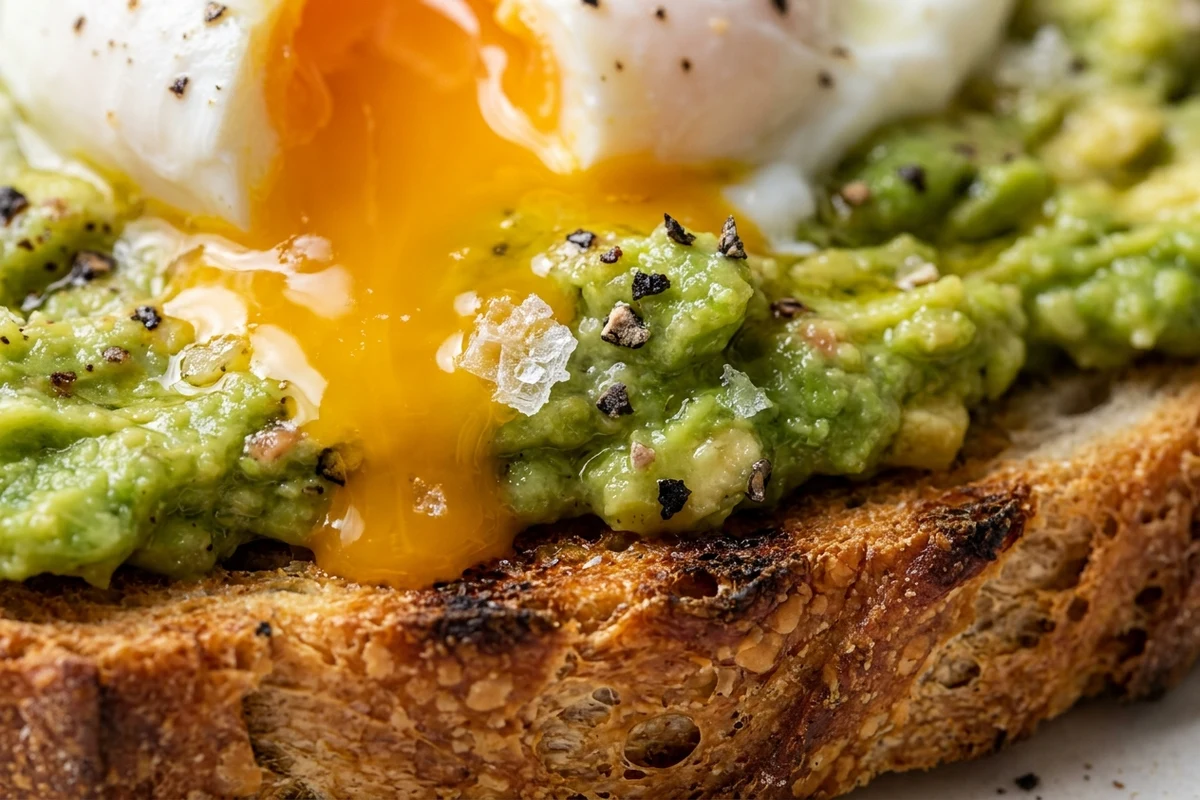
1. The California Classic (Poached Egg and Everything Spice): The quintessential cafe creation. Golden toasted sourdough topped with chunky lime-infused avocado, a six-minute poached farm egg with an oozing liquid yolk, toasted everything bagel seasoning, and microgreens.
2. The Fiery Umami Crisp: For spice enthusiasts, top your avocado mash with our famous homemade Chili Crisp Recipe or a generous swirl of artisanal Hot Honey Recipe. The crunchy fried garlic, shallots, and spicy chilies deliver sensational depth that cuts through rich avocado fat.
3. The Mediterranean Burrata and Tomato: Layer fresh creamy burrata cheese over the avocado, followed by halved sweet blistered cherry tomatoes, fresh basil ribbons, and a drizzle of twenty-five-year aged balsamic reduction.
4. The Nordic Smoked Salmon and Capers: Pair cold-smoked wild Atlantic salmon with thinly shaved red onions, crispy non-pareil capers, fresh dill fronds, and a scattering of lemon zest over a hearty seeded multigrain base.
5. The Tangy Goat Cheese and Pickled Radish: Crumble fresh creamy chevre goat cheese across the toast, finished with thinly shaved watermelon radishes marinated in our zesty Quick Pickled Red Onions brine for refreshing crunch and acidity.
Gourmet Flavor Variations Matrix
Use this culinary pairing guide to balance primary proteins, textural garnishes, and finishing drizzle enhancements:
| Variation Style | Primary Protein | Textural Crunch Element | Herb / Fresh Vegetable | Acidity / Drizzle Element | Flavor Profile |
|---|---|---|---|---|---|
| The California Classic | Pasture-Raised Poached Egg | Everything Bagel Spice & Toasted Hemp | Baby Arugula & Cilantro Sprouts | Fresh Lime Juice & Flaky Maldon Salt | Savory, creamy, rich, herbaceous |
| Fiery Umami Crunch | Crispy Fried Egg with Lacy Edges | Fried Garlic & Shallot Crisps | Finely Sliced Green Scallions | Chili Crisp Oil or Hot Honey Drizzle | Spicy, sweet, pungent, intensely savory |
| Mediterranean Caprese | Torn Italian Burrata | Toasted Pine Nuts | Baby Sweet Basil Ribbons | Aged Balsamic Glaze Reduction | Sweet, milky, acidic, aromatic |
| Nordic Smoked Salmon | Cold-Smoked Wild Salmon Lox | Crispy Fried Brined Capers | Fresh Feathered Dill & Chives | Fresh Lemon Juice & Crushed Peppercorns | Briny, smoky, silky, zesty |
| Tangy Chevre Garden | Crumbled French Goat Cheese | Toasted Pumpkin Seeds (Pepitas) | Shaved Watermelon Radish | Pickled Red Onion Brine & Olive Oil | Tart, earthy, peppery, crisp |
Each variation builds upon the foundational avocado mash, ensuring you never experience breakfast monotony throughout the week.
Mastering the Runny Poached Egg Crown
Nothing elevates an avocado toast recipe quite like cutting into a freshly poached egg and watching golden, unctuous yolk drape across creamy avocado and crisp bread. Liquid yolk functions as nature’s richest self-contained sauce, blending seamlessly with olive oil and flaky salt to coat every crusty pocket.
Achieving a picture-perfect poached egg with a tight, rounded white and liquid core requires mastering three straightforward culinary techniques:
First, utilize the freshest pasture-raised eggs obtainable. As eggs age, their thick albumen breaks down into watery fluid, creating unsightly floating egg threads in your poaching pot. Second, crack your egg into a fine-mesh strainer over a small bowl for fifteen seconds prior to cooking; this effortlessly drains off excess thin water, leaving behind only the tight, viscous white. Third, bring a wide saucepan of water with one tablespoon of distilled white vinegar to a gentle simmer (around 88 to 90 degrees Celsius / 190 degrees Fahrenheit). The mild acid accelerates egg white coagulation without imparting noticeable sour flavor.
Create a gentle circular whirlpool in the center of the water with a slotted spoon, then lower the strained egg directly into the vortex. The centrifugal water movement wraps the white securely around the yolk. Cook undisturbed for exactly three minutes and fifteen seconds for large eggs, then lift with a slotted spoon and blot gently on a paper towel before crowning your toast.

Step-by-Step Culinary Preparation Guide
Follow these precise steps to construct the ultimate restaurant-grade avocado toast in your own home kitchen:
1. Searing the Artisan Foundation: Heat a cast-iron skillet over medium heat. Generously coat both sides of thick artisanal sourdough slices with extra virgin olive oil. Sear for two to three minutes per side until deep mahogany gold and crispy. Rub one surface gently with a halved garlic clove.
2. Fork-Mashing the Seasoned Pulp: Halve two ripe Hass avocados and twist to separate. Remove the pit carefully. Scoop the lush flesh into a wide shallow bowl. Immediately drizzle with fresh lime juice, extra virgin olive oil, fine sea salt, and freshly cracked black pepper. Mash with a fork, preserving deliberate pea-sized chunks.
3. Assembling and Seasoning: Distribute the seasoned avocado mash generously across the warm toasted sourdough, extending edge-to-edge. Use the back of a spoon to create small swirling indentations that will catch runny yolk and finishing oils.
4. Crown and Final Garnish: Place your hot poached egg directly onto the center. Garnish with flaky Maldon sea salt, Aleppo chili flakes, microgreens, and a final thread of finishing olive oil. Serve immediately while the toast remains sizzling and crisp.
Nutritional Science and Micronutrient Breakdown
Beyond its culinary allure, this avocado toast recipe stands as a nutritional powerhouse. Clinical nutritional data compiled by the Harvard T.H. Chan School of Public Health demonstrates that replacing saturated dietary fats with plant-derived monounsaturated fats significantly improves cardiovascular biomarkers and aids blood lipid regulation.
A single whole Hass avocado delivers roughly 10 grams of dietary fiber, comprising both soluble and insoluble fractions. Soluble fiber feeds beneficial gut microbiota and slows glycemic absorption, preventing post-meal insulin spikes. Meanwhile, the rich presence of fat-soluble antioxidant carotenoids, including lutein and zeaxanthin, supports cellular eye health and cognitive longevity.
Furthermore, avocados provide superior concentrations of bioavailable potassium, surpassing average bananas per 100 grams. Potassium serves as an essential electrolyte regulating intracellular osmotic balance, nerve impulse transmission, and healthy blood pressure levels.
Comprehensive Nutritional Comparison Matrix
Examine how our gourmet avocado toast recipe compares to typical popular morning breakfast choices:
| Breakfast Option | Calories (kcal) | Healthy Unsaturated Fats (g) | Dietary Fiber (g) | Complete Protein (g) | Glycemic Index Impact | Satiety Duration (Hours) |
|---|---|---|---|---|---|---|
| Gourmet Avocado Toast with Poached Egg | 385 kcal | 22.5 g (High Monounsaturated) | 9.5 g | 14.0 g | Very Low (Slow steady energy) | 4.5 to 5.5 hours |
| Plain Buttered Bagel with Cream Cheese | 460 kcal | 4.2 g (Mostly Saturated) | 2.1 g | 9.0 g | High (Rapid blood sugar spike) | 2.0 to 2.5 hours |
| Processed Sugary Breakfast Cereal with Milk | 390 kcal | 2.5 g | 1.5 g | 8.0 g | Very High (Post-meal crash) | 1.5 to 2.0 hours |
| Classic Diner Pancakes with Maple Syrup | 620 kcal | 8.0 g | 1.8 g | 7.5 g | Extreme (Elevated sugar load) | 2.0 to 3.0 hours |
| Steel-Cut Oatmeal with Berries & Walnuts | 360 kcal | 12.0 g (Polyunsaturated) | 8.0 g | 10.0 g | Low (Sustained complex energy) | 4.0 to 5.0 hours |
As evidenced by clinical metrics, the synergistic union of high dietary fiber, healthy monounsaturated plant lipids, and bioavailable protein from fresh pasture-raised eggs yields prolonged metabolic satiety without mid-morning lethargy.
Troubleshooting Common Avocado Toast Mistakes
Even seasoned home cooks occasionally encounter pitfalls when making avocado toast. Here is how to diagnose and resolve every common issue:
Issue 1: Smashed Toast Turns Soggier Quickly: If your toast softens within two minutes, your bread was either sliced too thin or toasted without sufficient fat. Searing thick sourdough in olive oil or clarified butter creates an oil-resistant thermal seal that stops moisture from penetrating the delicate inner crumb.
Issue 2: Flat or Greasy Flavor on the Palate: Because avocado contains over seventy percent lipids, unseasoned avocado tastes flat and fatty. Counteract this by increasing both fresh lime juice and flaky sea salt. The acid cuts the fat while salt awakens intrinsic earthy fruit notes.
Issue 3: Brown Discoloration Forming Within Minutes: Browning is caused by atmospheric oxidation. Always fold your fresh lime juice directly into the avocado mash rather than merely sprinkling it on top. If prepping avocado an hour in advance, press plastic wrap directly onto the surface of the mash to eliminate contact with oxygen.
Issue 4: Hard or Fibrous Avocado Texture: Never attempt to salvage rock-hard underripe avocados by microwave softening. If your avocados are firm, place them in a brown paper bag with a ripe banana for twenty-four hours; natural ethylene gas emitted by the banana accelerates natural fruit maturation rapidly.
Frequently Asked Questions About Avocado Toast Recipe
Can I prepare the avocado mash ahead of time for meal prep?
Yes, with proper technique. Mash your avocado with extra fresh lime juice and a pinch of salt. Place in an airtight glass container, press a layer of parchment or plastic wrap directly onto the green surface, seal tightly, and refrigerate for up to twenty-four hours. Toast your bread fresh right before serving.
What is the best bread for an avocado toast recipe?
A thick, artisanal wild-fermented sourdough is unequivocally the gold standard. Its dense crumb, crisp blistered crust, and subtle lactic acidity provide the perfect mechanical structure and flavor contrast.
How do I keep avocado toast crispy after assembling?
Sear your bread in a hot cast-iron skillet with olive oil to create a crisp crust, allow the toast to cool slightly for thirty seconds so rising steam escapes, and apply your avocado mash immediately before eating.
Is avocado toast suitable for vegan and gluten-free diets?
Naturally! The base avocado mash is entirely plant-based and vegan. For gluten-free dining, substitute artisanal sourdough with your favorite dense seed loaf or gluten-free country bread toasted in olive oil.
What oil should I use for skillet toasting?
Cold-pressed extra virgin olive oil provides the finest fruity aroma and golden crust. Alternatively, clarified butter (ghee) offers a high smoke point and luxurious nutty richness.