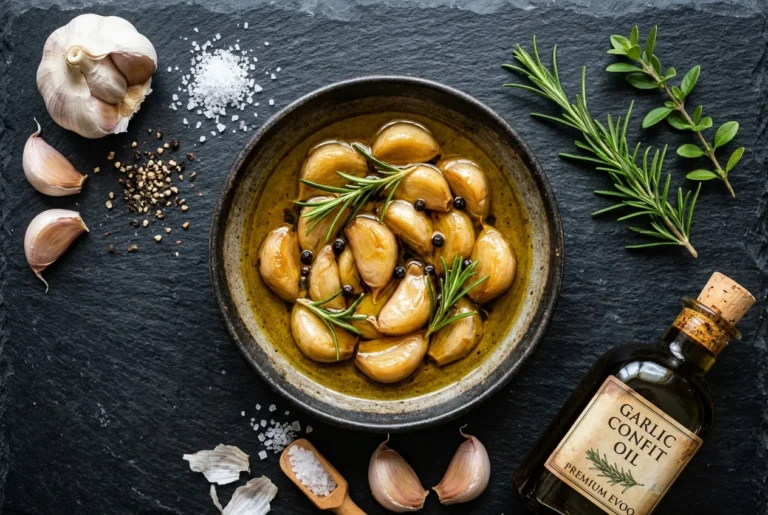
Garlic Herb Compound Butter Recipe: 4 Gourmet Secrets to Steakhouse-Quality Flavored Butter
In the culinary universe of high-end steakhouses and classic French bistros, there exists a single secret finishing technique that instantly elevates a humble pan-seared cut of meat into an unforgettable gastronomic masterpiece: a master garlic herb compound butter recipe. Known in classical French culinary terminology as beurre composé, this luxurious emulsion takes rich, creamy European butter and whips it with freshly minced garlic, finely chopped garden herbs, citrus zest, and mineral-rich sea salt flakes before chilling it into an elegant parchment-wrapped log.
Building upon our celebrated repertoire of viral flavor-packed kitchen staples, including our bold Cowboy Butter Recipe, our slow-roasted Ultimate Garlic Confit Recipe, and our vibrant Authentic Chimichurri Sauce Recipe, this comprehensive guide unlocks the precise culinary science required to create restaurant-grade flavored butter right on your kitchen counter.

Table of Contents: Master Your Garlic Herb Compound Butter
- The 4 Gourmet Secrets to Steakhouse-Quality Compound Butter
- Selecting Premium Butter and Herb Chemistry
- 4 Signature Flavor Profiles: Steakhouse to Citrus Seafood
- Step-by-Step Culinary Methodology: Whipping to Parchment Log
- Nutritional Breakdown and Fat-Soluble Flavor Chemistry
- How to Use Compound Butter: Steaks, Seafood, Vegetables, and Bread
- Common Mistakes to Avoid in Homemade Flavored Butter
- Storage and Freezing Protocol: 3 Months of Peak Freshness
- Printable Gourmet Recipe Card
- Frequently Asked Culinary Questions
The 4 Gourmet Secrets to Steakhouse-Quality Compound Butter
While blending herbs into butter may seem intuitive, the difference between a watery, separated spread and a velvety, melt-in-your-mouth steakhouse condiment lies in precise temperature management and moisture control. When preparing this garlic herb compound butter recipe, following these four proven culinary secrets ensures perfection:
Secret 1: European High-Fat Butter (82% Butterfat Minimum)
Standard grocery store commodity butter in the United States typically contains 80 percent butterfat and up to 18 percent water. When that butter melts over a hot steak or warm bread, the excess water vaporizes or separates into unsightly cloudy whey puddles. European-style butters, such as Kerrygold, Plugra, or French cultured butters (such as President or Beurre d’Isigny), are churned to a minimum of 82 to 84 percent butterfat. This higher concentration of milkfat creates a dense, silky lipid matrix that holds aromatic garlic and delicate herb oils without separating, delivering an unmatched velvety mouthfeel.
Secret 2: Room Temperature Softening, Never Microwaving
Patience during the softening phase is non-negotiable. Butter is a delicate water-in-oil emulsion held together by microscopic fat crystals. Melting butter in a microwave oven shatters these crystalline bonds irreparably, resulting in a separated oily pool that will turn dense, grainy, and greasy when re-chilled. Allow your butter to sit on the counter for 45 to 60 minutes until it yields gently under finger pressure while maintaining its pale, opaque structure. This pliable state allows you to whip air into the fat without melting it.
Secret 3: Absolute Herb Dehydration and Fine Mincing
Water is the sworn enemy of compound butter. After rinsing your fresh herbs (parsley, chives, thyme, rosemary), you must dry them meticulously using clean cloth towels or paper towels. Any residual droplets of water clinging to the leaves will create water pockets in the fat, leading to premature mold growth, weeping, and failure to emulsify cleanly. Furthermore, mincing herbs extremely fine ensures that their flavorful essential oils coat the fat molecules rather than feeling like coarse, papery flakes on the palate.
Secret 4: Compressing and Rolling via the Bench Scraper Technique
Spoon-shaping compound butter leaves interior air pockets that cause the log to crumble irregularly when sliced. Professional chefs use a bench scraper or rigid baking sheet against parchment paper to compress the butter into a tight, dense cylinder. By anchoring the bottom parchment layer and pressing inward with the edge of the scraper, you create hydrostatic pressure that expels all trapped air bubbles. The resulting log can be sliced into clean, coin-like medallions that retain their pristine circular shape even after weeks of freezing.

Selecting Premium Butter and Herb Chemistry
Because compound butter is an unheated, raw preparation that showcases pure flavor, every individual component must be of impeccable quality. Below is the comprehensive master ingredient formula alongside chef-approved substitution options:
| Ingredient | Gourmet Amount | Substitution Options & Culinary Function |
|---|---|---|
| European Unsalted Butter | 1 cup (2 sticks / 225g) | Kerrygold, French cultured butter, or homemade cultured butter. Unsalted allows precise salt regulation. |
| Fresh Garlic Cloves | 4 to 5 plump cloves | Microplaned or minced into paste. For sweeter mellow garlic, use mashed roasted garlic or garlic confit. |
| Fresh Flat-Leaf Parsley | 2 tbsp finely chopped | Fresh curly parsley or fresh chervil. Imparts classic herbaceous green aroma. |
| Fresh Garden Chives | 1 tbsp minced | Green scallion tops or shallots. Adds delicate allium piquancy. |
| Fresh Thyme Leaves | 1 tbsp chopped | Lemon thyme or savory summer marjoram. Contributes earthy, floral woodiness. |
| Fresh Rosemary | 1 tsp minced very fine | Must be minced finely to avoid needle-like texture. Adds piney resinous depth. |
| Organic Lemon Zest | 1/2 tsp finely grated | Microplaned lemon or lime peel. Natural citrus oils cut through rich heavy dairy fat. |
| Flaky Sea Salt (Maldon) | 1 tsp (to taste) | Fleur de sel or coarse kosher salt. Delivers delightful crunchy bursts of salinity. |
| Coarse Black Pepper | 1/2 tsp freshly cracked | Freshly ground Tellicherry or four-color peppercorns for pungent warmth. |
| Worcestershire Sauce | 1/4 tsp (optional) | Aged balsamic reduction, Dijon mustard, or dark tamari for rich glutamic umami. |
4 Signature Flavor Profiles: Steakhouse to Citrus Seafood
Once you master the base technique of this garlic herb compound butter recipe, you can easily pivot into customized specialty butter logs tailored for specific culinary preparations:
1. The Classic French Steakhouse Maître d’Hôtel: Enhance the base formula with one tablespoon of fresh lemon juice, one tablespoon of finely minced French shallots, and two tablespoons of fresh tarragon. This is the timeless butter served atop filet mignon in Parisian brasseries.
2. Roasted Garlic & Truffle Luxury: Replace raw garlic with six cloves of soft, caramelized roasted garlic confit mashed into a paste. Fold in one teaspoon of white truffle oil or black summer truffle carpaccio. Melt over ribeyes, mashed potatoes, or roasted prime rib.
3. Citrus Herb Seafood Compound Butter: Increase fresh lemon zest to one full teaspoon, add one tablespoon of fresh chopped dill and one tablespoon of snipped chives, and finish with a pinch of smoked sweet paprika. This variation is sensational when melted over grilled salmon, lobster tails, or pan-seared sea scallops.
4. Smoky Chipotle & Lime Cowboy Compound Butter: Fold in one tablespoon of pureed chipotle pepper in adobo sauce, one teaspoon of fresh lime zest, and one tablespoon of chopped fresh cilantro. Perfect for grilled corn on the cob, charred fajita meats, or warm skillet cornbread.

Step-by-Step Culinary Methodology: Whipping to Parchment Log
Follow these six culinary phases to execute this garlic herb compound butter recipe with professional precision:
Step 1: Tempering and Softening the European Butter
Place two sticks of European unsalted butter on a small plate at room temperature. Let rest undisturbed for approximately 45 minutes to one hour. Test the consistency: when pressed with the pad of your thumb, the butter should indent smoothly without cracking (too cold) or liquefying into oil (too warm). The ideal working temperature of butterfat for whipping is between 65°F and 68°F (18°C to 20°C).
Step 2: Preparing and Drying the Garden Aromatics
Wash your fresh parsley, chives, thyme, and rosemary thoroughly in cold water. Spin dry in a salad spinner or press firmly between layers of paper towels until completely moisture-free. Strip thyme and rosemary leaves from woody stems. On a clean wooden cutting board, mince the herbs into microscopic specks. Peel the garlic cloves and grate them on a Microplane rasp grater into a smooth, fragrant paste.
Step 3: Whipping and Aerating the Butterfat Matrix
Transfer the tempered butter to a medium bowl. Using a sturdy wooden spoon or hand mixer on low speed, whip the butter for ninety seconds. You will observe the butter lighten noticeably in color from deep yellow to pale ivory. This brief mechanical aeration incorporates microscopic air cells, making the compound butter exceptionally fluffy and spreadable even when chilled.
Step 4: Folding in the Aromatic Mosaic
Add the microplaned garlic paste, chopped parsley, chives, thyme, minced rosemary, lemon zest, flaky sea salt, cracked black pepper, and optional Worcestershire sauce to the whipped butter. Using a flexible silicone spatula, fold and turn the mixture repeatedly from bottom to top for sixty seconds until every herb speck is evenly suspended in the fat without streaks or pockets of unseasoned butter.
Step 5: The Bench Scraper Parchment Compression Technique
Lay a 12×16-inch sheet of natural unbleached parchment paper flat on your work surface. Spoon the seasoned butter onto the lower third of the paper in a continuous, thick horizontal log about seven inches long. Fold the bottom flap of parchment over the butter. Place a rigid bench scraper or small rimless baking sheet against the butter log at a 45-degree angle. Press the straight edge firmly against the base of the log while pulling the under-sheet forward. This simple mechanical action forces the butter into a compact, perfectly round, dense cylinder. Roll the rest of the parchment forward and twist the two paper ends tightly in opposite directions like a hard candy wrapper.
Step 6: Chilling, Tempering, and Slicing Medallions
Transfer the wrapped butter log to the coldest part of your refrigerator for at least two hours to solidify. When ready to serve, unwrap the parchment paper. Run a sharp chef knife under hot tap water for five seconds and wipe dry with a towel; the warm blade will glide effortlessly through the cold butterfat, cutting pristine 1/2-inch round medallions without shattering the edges. Arrange on a chilled marble or slate slab and serve immediately.
Nutritional Breakdown and Fat-Soluble Flavor Chemistry
According to dietary analytical standards compiled by the USDA FoodData Central Database, high-fat cultured butter provides a dense, energy-rich culinary vehicle packed with bioavailable fat-soluble vitamins:
| Nutrient Profile | Quantity per Medallion (1 tbsp / 14g) | Daily Value Percentage (% DV) |
|---|---|---|
| Calories | 102 kcal | 5% |
| Total Fat (Butterfat Lipids) | 11.5 g | 15% |
| Saturated Fatty Acids | 7.2 g | 36% |
| Monounsaturated Fat | 3.0 g | N/A |
| Cholesterol | 30 mg | 10% |
| Sodium (Flaky Sea Salt) | 145 mg | 6% |
| Carbohydrates | 0.5 g | <1% |
| Dietary Fiber | 0.1 g | <1% |
| Protein | 0.2 g | <1% |
| Vitamin A (Retinol & Beta-Carotene) | 350 IU | 7% |
| Vitamin E (Alpha-Tocopherol) | 0.3 mg | 2% |
| Vitamin K2 (Menaquinone) | 1.2 mcg | 1% |
From a food chemistry standpoint, butter is one of the most effective flavor carriers known in gastronomy. Volatile flavor compounds found in garlic (such as diallyl disulfide) and herbs (such as thymol in thyme and carnosic acid in rosemary) are predominantly hydrophobic (fat-soluble). When dispersed into butterfat, these aromatic molecules are captured and preserved within the lipid crystals. As the butter melts upon contact with a hot steak or warm bread, the lipids liquefy and release these trapped volatile aromatics directly across the olfactory receptors, creating an explosion of rich flavor that water-based sauces simply cannot duplicate.

How to Use Compound Butter: Steaks, Seafood, Vegetables, and Bread
The culinary applications of this versatile condiment extend far beyond classic steak night. Incorporate this butter into everyday gourmet cooking:
Finishing Searing Steaks & Chops: Place a cold slice of garlic herb butter onto a ribeye, New York strip, or our seared Garlic Butter Steak Bites the moment they come off the cast iron pan. As the meat rests for five minutes, the butter gently melts, blending with resting juices to form an instant velvety pan sauce.
Coastal Seafood & Shellfish: Drop two medallions into a hot skillet with sautéed shrimp, seared sea scallops, or broiled lobster tails during the final thirty seconds of cooking. Swirling cold compound butter at the end creates a luscious emulsion that glazes the seafood without breaking.
Elevating Roasted Vegetables: Toss freshly roasted baby potatoes, steamed green beans, roasted carrots, or grilled asparagus with a generous slice of compound butter while piping hot. The residual heat melts the butter into a glossy glaze that coats every vegetable evenly.
Artisan Sourdough & Dinner Rolls: Slather softened medallions onto warm, crusty slices of French baguette, Dutch oven sourdough, or dinner rolls for the ultimate gourmet bread service.
Common Mistakes to Avoid in Homemade Flavored Butter
Avoid these common pitfalls to guarantee success on your very first batch:
1. Using Low-Quality Table Margarine or Spread: Margarine and vegetable oil spreads contain excessive water, hydrogenated oils, and emulsifiers. They will not set into a firm log and melt into a greasy, watery residue. Always use genuine high-fat dairy butter.
2. Leaving Garlic in Large, Chunky Pieces: Biting into a raw chunk of garlic inside smooth butter is harsh and overpowering. Finely grating on a Microplane breaks down cell walls and yields a smooth, uniform allium distribution.
3. Using Pre-Dried Jarred Herbs: Dried herbs from the spice cabinet are dehydrated and leathery. In an unheated butter spread, they remain dry and taste papery. Always use vibrant, fresh living herbs for bright color and aromatic oils.
Storage and Freezing Protocol: 3 Months of Peak Freshness
Because this compound butter freezes exceptionally well, making a double batch is a brilliant time-saving culinary strategy:
Refrigeration (Up to 2 Weeks): Keep the tightly wrapped parchment log inside an airtight container or zip-top freezer bag in the refrigerator for up to 14 days. The butter will protect the fresh garlic and herbs from rapid oxidation.
Freezer Storage (Up to 3 Months): For long-term storage, wrap the parchment log in an outer layer of heavy-duty aluminum foil, or pre-slice the log into individual medallions and freeze them on a parchment-lined baking sheet for one hour. Once frozen solid, transfer the butter coins into a freezer bag. You can pull out a single medallion whenever steak night arrives!
Printable Gourmet Recipe Card
Print
Garlic Herb Compound Butter Recipe
- Total Time: 15 minutes
- Yield: 16 medallions (1 log) 1x
Description
Rich European cultured butter whipped with roasted and fresh garlic, garden herbs, lemon zest, and flaky sea salt, rolled into an elegant parchment log. The ultimate steakhouse luxury for prime meats, coastal seafood, and warm artisan breads!
Ingredients
- 1 cup (2 sticks / 225g) high-quality unsalted European butter (such as Kerrygold or French cultured butter, 82% butterfat, softened to room temperature)
- 4 to 5 cloves fresh garlic (very finely minced or microplaned into a fine paste)
- 2 tablespoons fresh flat-leaf Italian parsley (finely chopped)
- 1 tablespoon fresh chives (finely sliced into tiny rings)
- 1 tablespoon fresh thyme leaves (stripped from stems and finely chopped)
- 1 teaspoon fresh rosemary leaves (minced very finely)
- 1 teaspoon flaky sea salt (such as Maldon, or 3/4 tsp fine sea salt)
- 1/2 teaspoon freshly cracked coarse black pepper
- 1/2 teaspoon fresh organic lemon zest (finely grated, for essential oil brightness)
- 1/4 teaspoon Worcestershire sauce (optional chef secret for savory umami depth)
Instructions
- Bring Butter to Optimal Temperature: Remove the European butter from the refrigerator 45 to 60 minutes before preparation. The butter should be pliable and soft enough to indent easily with a finger, but not melted, glossy, or oily. Chef Secret: Never microwave the butter; melted butter permanently breaks the crystalline emulsion and will fail to whip properly.
- Prep the Fresh Herbs and Garlic: Wash and thoroughly dry the fresh parsley, chives, thyme, and rosemary with paper towels. Water will prevent the herbs from incorporating smoothly into the lipid matrix. Mince all herbs very finely so they disperse evenly. Grate or microplane the garlic into a delicate paste to release its volatile essential oils without harsh, fibrous chunks.
- Whip and Emulsify: Place the softened butter in a medium ceramic mixing bowl. Using a sturdy wooden spoon, flexible silicone spatula, or a hand mixer fitted with paddle beaters, beat the butter for 1 to 2 minutes until it becomes exceptionally pale, silky, and creamy.
- Incorporate Aromatics and Seasonings: Add the minced garlic paste, chopped parsley, chives, thyme, rosemary, lemon zest, flaky sea salt, cracked black pepper, and optional Worcestershire sauce. Fold vigorously for 60 seconds until all herbs and seasonings are evenly distributed in a vibrant mosaic of green specks throughout the butter.
- Roll into a Parchment Cylinder Log: Tear off a 12×16-inch sheet of unbleached parchment paper or wax paper. Spoon the whipped compound butter onto the lower third of the paper, forming a rough 7-inch horizontal mound. Fold the bottom edge of parchment over the butter. Place a ruler, bench scraper, or baking sheet along the crease and press inward firmly while pulling the bottom paper forward to compress the butter into a tight, dense, air-pocket-free cylinder log. Twist the parchment ends tightly like a candy wrapper to seal.
- Chill to Firm: Place the parchment log into the refrigerator for at least 2 hours (or the freezer for 30 minutes) until solid and firm. Once thoroughly chilled, unwrap and slice into elegant 1/2-inch round medallions using a warm, sharp chef knife. Place immediately over hot grilled steaks, roasted seafood, steamed vegetables, or warm artisan bread.
Notes
Chef Secret: Always use European high-fat butter (82% butterfat minimum) rather than standard American commodity butter. The higher fat-to-water ratio creates an ultra-velvety mouthfeel that melts cleanly across hot steaks without separating into watery whey.
- Prep Time: 15 minutes
- Cook Time: 0 minutes
Frequently Asked Culinary Questions
Should I use salted or unsalted butter for compound butter?
Professional chefs exclusively use unsalted European butter. Salt content varies widely across commercial butter brands (from 1.5% to 2.5%). Using unsalted butter allows you to control the exact salinity and incorporate crunchy, mineral-rich flaky sea salt crystals like Maldon without over-salting.
Can I use roasted garlic instead of raw garlic?
Yes. Substituting roasted garlic confit for raw garlic creates a mellow, sweet, caramelized compound butter with zero pungency. Use 6 to 8 soft roasted garlic cloves, mash them into a paste with a fork, and whip into the softened butter alongside the fresh herbs.
How long does garlic herb compound butter keep in the fridge?
Stored tightly wrapped in parchment paper and kept in an airtight container to avoid absorbing refrigerator odors, homemade compound butter stays pristine for up to two weeks in the refrigerator, or up to three months in the freezer.
Why did my butter log turn soft and greasy when rolling?
If your butter became too warm during preparation (above 70°F), the milk fat separates into liquid oil. Simply pop the bowl into the refrigerator for 10 minutes to firm up slightly, then proceed with the parchment paper rolling technique.
Can I make compound butter with a stand mixer?
Yes. If making a large batch (4 sticks or more), a stand mixer fitted with the paddle attachment whips the butter effortlessly in about two minutes. For smaller 1 to 2 stick batches, a hand mixer or a sturdy wooden spoon is faster and easier to clean.