
Lebanese Toum Recipe: 4 Gourmet Secrets to Ultra-Fluffy Whipped Garlic Sauce
Lebanese Toum Recipe is the undisputed secret weapon behind the world’s finest rotisserie chicken, crispy grilled skewers, and succulent shawarma wraps. Yet for many home cooks, achieving that signature snowy-white, cloud-like fluffiness that holds peaks like whipped egg whites without splitting into an oily puddle feels like elusive kitchen sorcery. Traditional Lebanese garlic whip requires zero eggs, zero dairy, and zero chemical stabilizers, relying entirely on pure culinary physics to suspend millions of microscopic oil droplets within a network of natural garlic proteins and emulsifying compounds.
When executed correctly, authentic toum offers a bold, exhilarating punch of sharp raw garlic tempered into silky elegance by bright lemon juice and crisp sea salt. Whether you spread it thick on warm charred pita, brush it onto seared lamb chops, or dip crunchy roasted potatoes straight into the bowl, mastering this 4-ingredient condiment elevates every meal from ordinary to unforgettable. Below, you will uncover the 4 closely guarded chef secrets that ensure your garlic emulsion achieves velvety perfection every single time.
Table of Contents
- What Makes Lebanese Toum Recipe So Unique?
- Essential Ingredients for Lebanese Toum Recipe
- 4 Chef Secrets to Unbreakable, Cloud-Like Emulsion
- Step-by-Step Food Processor Instructions
- How to Rescue a Broken or Split Garlic Sauce
- Nutritional Value and Garlic Health Benefits
- Creative Culinary Uses and Dietary Variations
- Storage, Shelf Life, and Mellowing Tips
- Equipment Essentials: Choosing the Right Food Processor
- Frequently Asked Questions About Toum
- Gourmet Feast Pairing & Entertaining Blueprint
What Makes Lebanese Toum Recipe So Unique?
Unlike French aioli, which in modern adaptations typically relies on egg yolks as its primary emulsifier, authentic Lebanese Toum Recipe achieves its lush, mayonnaise-like stiffness without any animal products. Garlic contains natural fructans, saponins, and sulfur-rich proteins that possess both hydrophilic (water-loving) and lipophilic (fat-loving) properties. When crushed vigorously with coarse salt crystals, garlic releases viscous mucilage capable of trapping liquid oil.
As detailed in biochemical studies referenced by culinary food scientists at Serious Eats Culinary Lab, mechanical shearing inside a food processor breaks oil down into microscopic droplets suspended within the tiny amount of lemon juice and garlic moisture. Because the surface tension around these trapped droplets increases exponentially as more oil is added slowly, the mixture undergoes a dramatic phase transition from runny liquid to thick, pillowy white paste capable of standing straight up on a spoon.
Essential Ingredients for Lebanese Toum Recipe

With only four foundational ingredients, the freshness and selection of every element play a monumental role in both flavor balance and emulsion structural integrity:
- Fresh, Firm Garlic Cloves (1 full cup): Avoid pre-peeled bagged garlic stored in refrigerators for weeks, which loses enzymatic potency and emulsifying proteins. Choose heavy, tight bulbs with plump ivory cloves and crisp purple-streaked skins.
- Neutral High-Smoke-Point Oil (3 cups): Choose neutral oils such as grapeseed oil, sunflower oil, canola oil, or refined avocado oil. Extra virgin olive oil should be avoided as the primary fat here; its intense polyphenols turn aggressively bitter when sheared at high speed in a food processor blade.
- Freshly Squeezed Lemon Juice (1/2 cup): Bottled lemon juice contains sulfites and dull flavors that hinder crisp emulsification. Always squeeze cold, fresh lemons and strain out any pulp or seeds.
- Kosher Salt or Fine Sea Salt (2 teaspoons): Salt acts both as a flavor amplifier and a physical abrasive agent that shreds garlic cell walls during initial pulsing to release maximum emulsifiers.
- Ice-Cold Water (2 tablespoons, optional): Used strictly as a gentle final thinning and cooling agent if the processor generates excessive heat.
| Ingredient | Exact Amount | Functional Role & Substitution |
|---|---|---|
| Fresh Peeled Garlic Cloves | 1 full packed cup (~130 g) | Primary emulsifier & pungent base; remove green germ cores |
| Neutral Vegetable Oil | 3 cups (710 ml) | Grapeseed, sunflower, or avocado oil; avoid heavy EVOO |
| Fresh Lemon Juice | 1/2 cup (120 ml), chilled | Provides acidity, brightness, and liquid phase stabilization |
| Kosher Salt | 2 teaspoons | Abrasive breakdown & flavor contrast; reduce if fine sea salt |
| Ice Water | 1 to 2 tablespoons | Cools mixture and produces light, airy meringue whiteness |
4 Chef Secrets to Unbreakable, Cloud-Like Emulsion
Traditional Lebanese grandmothers used a marble mortar and pestle to pound garlic patiently by hand. While modern food processors reduce preparation from 45 minutes to 10 minutes, high-speed electric blades introduce thermal friction and pacing challenges. Apply these 4 chef secrets to eliminate every risk of failure:
Secret 1: Excise Every Green Center Germ. Before measuring your garlic, slice every single clove lengthwise down the middle. If you spot a pale green or yellowish shoot running up the center, flick it out with your knife tip. Not only is the center germ responsible for lingering digestive discomfort and harsh acrid bitterness, it also alters the moisture balance of the raw garlic paste.
Secret 2: Temperature Management via Pre-Chilling. Friction from stainless steel food processor blades heats ingredients rapidly. Once emulsified oil exceeds 78°F (25°C), the protective protein film breaks down and the sauce liquefies. Place your oil bottle, squeezed lemon juice, and even the plastic work bowl in the refrigerator for 30 minutes prior to blending. Cold ingredients create dramatically taller, stiffer, whiter peaks.
Secret 3: The Thread-Thin Patience Pour. During the first minute of oil addition, rushing will shatter your emulsion permanently. If you dump oil in quickly before the garlic paste has bound the first several tablespoons, the mixture splits instantly. Pour the first 1/2 cup at an ultra-fine, hair-thin stream, taking a full 2 minutes before accelerating slightly.
Secret 4: Alternating Acid Cycles for Snowy Color. As oil enters, the mixture turns translucent cream, thickens heavily, and resists blade rotation. At that moment, adding 1 tablespoon of cold lemon juice alters the pH and introduces water droplets that reflect light, instantly turning the sauce brilliant white and fluffy as fresh snow.
Step-by-Step Food Processor Instructions

Step 1: Garlic De-Germing and Bowl Prep
Measure 1 full cup of freshly peeled garlic cloves. Halve them lengthwise and discard any green sprouts. Chill your measured 3 cups of neutral oil and 1/2 cup of strained lemon juice in the refrigerator while prepping. Ensure the food processor bowl and blade are impeccably clean and free of residual moisture.
Step 2: Mincing and Pasting with Salt
Add the prepared garlic cloves and 2 teaspoons of kosher salt into the dry food processor bowl. Secure the lid and pulse in 10 quick bursts until finely chopped. Stop, remove the lid, and use a flexible silicone spatula to push every stray garlic shard down into the bottom path of the blade. Process continuously for 30 seconds until it forms a fine, cohesive, slightly wet garlic paste.
Step 3: Establishing the Initial Oil Bond
While the motor runs continuously, use the tiny drip hole in your food processor pusher (or drizzle very carefully down the feed chute) to introduce 2 tablespoons of chilled oil drop by drop over 45 seconds. Stop and scrape down the sides cleanly. Once bound, pour 1 tablespoon of cold lemon juice and process for 10 seconds to create a smooth base.
Step 4: The Rhythm of Alternation (Oil and Lemon)
Resume running the processor continuously. Pour 1/2 cup of chilled oil in a steady, thin stream no thicker than a toothpick. You will watch the paste expand, lighten in hue, and build remarkable volume. Follow with 1 tablespoon of cold lemon juice. Repeat this rhythmic alternation (1/2 cup thin oil stream followed by 1 tablespoon lemon juice) until all 3 cups of oil and 1/2 cup of lemon juice are completely absorbed. Pause halfway for 60 seconds to allow the motor bowl to stay cool.
Step 5: Finishing and Aerating
When all oil has disappeared into the glossy, towering cream, check consistency. If desired, drizzle in 1 tablespoon of ice water while the blade spins for 15 seconds. This unlocks final volume and brightness, producing peaks sturdy enough to stand upright without slumping.
How to Rescue a Broken or Split Garlic Sauce
Even experienced restaurant chefs occasionally witness an emulsion break due to excess ambient kitchen humidity or rushing an oil pour. Do not panic and never discard your broken mixture. You can rescue split toum completely in under 3 minutes using one of two classic culinary tricks:
The Aquafaba or Egg White Rescue: Pour the separated, soupy garlic oil into a measuring pitcher. Wipe out the processor bowl cleanly. Add 1 tablespoon of chilled aquafaba (chickpea brine, to keep it strictly vegan) or 1 cold pasteurized egg white to the empty bowl. Turn the motor on and slowly drizzle the broken garlic mixture into the fresh base just like making mayonnaise. Within 90 seconds, the entire batch binds back into gorgeous, fluffy toum.
The Fresh Garlic Paste Reset: If you wish to preserve 100% purist ingredients with only garlic and oil, peel 4 fresh garlic cloves, place them in a clean mini chopper with a pinch of salt, process into paste, and slowly trickle the broken sauce back into the fresh garlic base.
Nutritional Value and Garlic Health Benefits

Because toum is predominantly an oil-based emulsion, it is calorie-dense, meaning a little scoop delivers massive flavor satisfaction. Furthermore, because the garlic remains completely raw and uncooked, all beneficial organosulfur compounds, particularly allicin, remain fully intact. According to medical nutrition resources published by the USDA Agricultural Research Database and Harvard School of Public Health, raw garlic compounds exhibit strong antioxidant, antimicrobial, and cardiovascular benefits, while heart-healthy monounsaturated oils support lipid absorption.
| Nutrient (Per 2 Tbsp / 30 g Serving) | Value | % Daily Value |
|---|---|---|
| Calories | 240 kcal | 12% |
| Total Fat | 27 g | 35% |
| Saturated Fat | 2 g | 10% |
| Cholesterol | 0 mg | 0% |
| Sodium | 195 mg | 8% |
| Total Carbohydrates | 2 g | 1% |
| Dietary Fiber | 0.2 g | 1% |
| Protein | 0.5 g | 1% |
| Vitamin C | 3 mg | 4% |
Creative Culinary Uses and Dietary Variations
Toum is naturally 100% vegan, gluten-free, dairy-free, egg-free, keto-friendly, and Whole30 compliant, making it universally welcome at every dinner table. Beyond classic wraps, explore these delicious ways to deploy your batch:
- Ultimate Roasted Vegetable Glaze: Swirl a generous spoonful of toum directly over hot, blistering Caramelized Sweet Potato Halves right out of the oven for an unforgettable sweet-and-savory glaze.
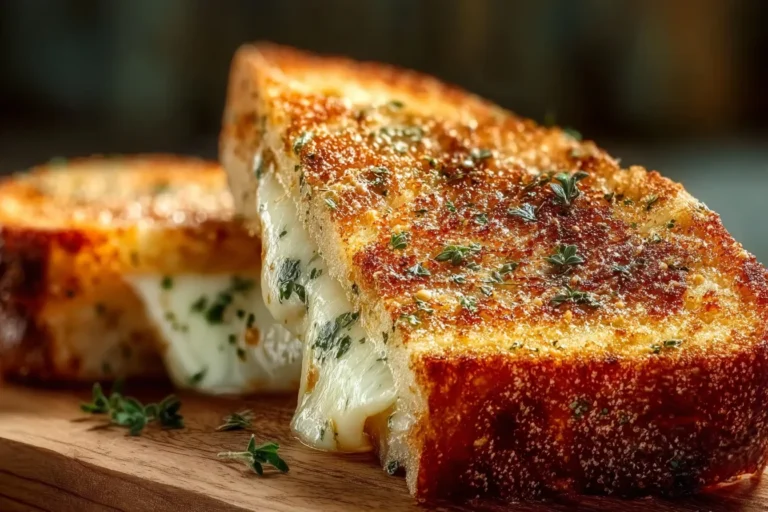
- Instant Gourmet Garlic Bread: Spread a thin layer of toum across sliced rustic sourdough baguettes and broil for 2 minutes until bubbling and golden.
- Herb-Infused Green Toum: Blend in a handful of fresh cilantro leaves, mint, and pickled jalapeno slices during the final 15 seconds for a vibrant emerald dipping sauce.
- Savory Salad Dressing Base: Whisk 2 tablespoons of toum with 2 tablespoons of cold water and a squeeze of lemon to create an instant creamy, dairy-free Caesar-style dressing.
- Pairings Across Our Kitchen: Serve alongside crispy seafood dishes like our Crispy Air Fryer Lemon Herb Salmon or use as an ultra-fast garlic herb butter substitute on grilled meats.
Storage, Shelf Life, and Mellowing Tips
Freshly whipped Lebanese Toum is fiercely potent straight out of the food processor. Traditionally, chefs apply a clever aging secret to round off the fiery bite:
- Overnight Mellowing Technique: Transfer freshly blended toum into an airtight glass mason jar. Instead of sealing with the metal lid immediately, lay a clean paper towel over the open mouth of the jar and place it in the refrigerator overnight. The paper towel absorbs excess moisture condensation and lets harsh volatile sulfur gases dissipate, resulting in an astonishingly smooth, balanced flavor by morning.
- Refrigerator Shelf Life: Once sealed tightly, pure garlic-oil-lemon toum resists spoilage effortlessly thanks to the high acidity and antibacterial properties of raw garlic. It keeps fresh, snowy white, and unseparated in the refrigerator for up to 4 full weeks.
- Freezing Guidelines: Freezing is not recommended, as thawing ice crystals disrupts the oil-water droplet barrier and causes separation.
Equipment Essentials: Choosing the Right Food Processor
While an authentic Lebanese Toum Recipe relies primarily on technique, selecting appropriate kitchen equipment makes the critical difference between effortless fluffiness and frustrating separation. A full-sized 11-to-14-cup food processor equipped with a flat S-blade and a narrow, continuous-pour drizzle hole in the pusher cup is by far the single most reliable tool for home kitchens. Why does bowl diameter matter so significantly? When you place 1 cup of garlic cloves into an oversized 20-cup commercial bowl, the blades miss the cloves completely, spinning harmlessly above the garlic.
Conversely, if you attempt to blend 3 cups of oil into a miniature 3-cup chopper, the rising volume overflows before the emulsion has fully aerated. If you only own a mini chopper or immersion blender, scale down the exact proportions to one-third (1/3 cup garlic, 1 cup oil, 3 tablespoons lemon juice) so the mixture maintains continuous contact with the cutting surface while leaving ample headspace for expansion. Furthermore, always verify that your bowl is bone-dry prior to starting; stray droplets of dishwashing rinse water can alter the early hydration ratio before the garlic proteins have formed a protective film.
In historic villages throughout Mount Lebanon and Beirut, home cooks prepared garlic sauce exclusively using a heavy hand-carved olive wood or limestone mortar and pestle. By rhythmically grinding garlic and coarse rock salt against stone, every cell ruptured cleanly without generating electric heat. While modern food processors allow us to replicate that majestic cloud-like emulsion in 15 minutes rather than an hour of manual pounding, honoring the gentle, unhurried pace of alternating oil and lemon juice captures the authentic soul, brilliant pearl whiteness, and velvety mouthfeel of centuries-old Levantine hospitality.
Frequently Asked Questions About Toum
Why is my toum so spicy and burning on the tongue?
Freshly processed raw garlic releases intense allicin heat, a defense molecule formed when alliin and alliinase enzymes collide upon chopping. Removing the green center sprouts before blending reduces spiciness dramatically. Letting the finished sauce rest covered with a paper towel in the fridge for 24 hours softens the fiery edge into warm, savory garlic sweetness.
Can I make this Lebanese Toum Recipe in an immersion blender or high-powered blender?
An immersion blender can work in a narrow tall jar if making a 1/3-size batch, though heat builds up quickly. A standard wide-bowl food processor with an S-blade provides the optimal surface area and aeration to trap air bubbles for cloud-like loftiness.
Can I use avocado oil or olive oil instead of vegetable oil?
Refined avocado oil works wonderfully and delivers clean, heart-healthy fat with zero flavor interference. Pure extra virgin olive oil has strong bitter polyphenols that intensify exponentially when spun at high RPM in a food processor blade; if you desire olive flavor, stir 2 tablespoons in gently by hand at the very end.
How is authentic toum different from garlic aioli or garlic mayonnaise?
Traditional Provençal aioli typically relies on egg yolks or boiled potato as an emulsion binder, giving it a rich golden-yellow hue and custard undertone. French and American garlic mayonnaise blends eggs with vinegar and prepared mustard. In stark contrast, an authentic Lebanese Toum Recipe contains strictly garlic, salt, lemon juice, and neutral oil, resulting in a lighter, airier white whip with sharp brightness and completely plant-based purity.
Why did my garlic whip turn yellow or slightly translucent?
A pale cream or translucent sheen indicates either that the oil was added slightly faster than the garlic paste could fracture into micro-droplets, or that an insufficient amount of cold lemon juice was incorporated to build light-refracting water dispersion. Next time, ensure you alternate cold lemon juice evenly every half cup of oil, and finish with a tablespoon of ice-cold water to trigger instant snowy whiteness.
What garlic varietals work best for smooth emulsification?
Standard California white softneck garlic and hardneck porcelain varieties (such as Music or German Extra Hardy) yield outstanding results. Hardneck varietals offer complex nutty depth and plump cloves that are remarkably easy to peel cleanly, while softneck supermarket garlic delivers consistent moisture levels and high emulsifying saponin content year-round. Avoid elderly bulbs that feel light, spongy, or deeply sprouted.
Can you roast garlic instead of using raw cloves?
While roasted garlic is delicious in spreads, roasting destroys the structural enzymes and moisture matrix required to anchor a raw emulsion. Roasted garlic toum will refuse to thicken into stiff clouds unless bound with aquafaba, yogurt, or egg whites. For classic whipped volume, raw crushed garlic is non-negotiable; however, you may fold 2 tablespoons of roasted garlic puree into finished raw toum by hand for smoky sweet depth.
Gourmet Feast Pairing & Entertaining Blueprint
Beyond simple dipping, a freshly whipped jar of Lebanese Toum Recipe unlocks endless culinary elevation for casual weeknight dinners and opulent holiday banquets alike. Understanding flavor affinity allows you to deploy this velvety emulsion across proteins, starches, roasted vegetables, and grilled breads with restaurant-level finesse.
When planning an authentic Levantine mezze table, anchor the center of your wooden serving board with a generous ceramic bowl of toum crowned with an indentation holding fruity extra virgin olive oil and vibrant chopped flat-leaf parsley. Surround the dip with warm, blistered pita triangles brushed lightly with za’atar and olive oil, crunchy French fries dusted in sumac, golden falafel patties, and crisp pickled turnips. The cold, tangy brightness of the garlic sauce slices effortlessly through crispy fried elements, refreshing the palate between every bite.
For heartier main courses, consider slathering toum directly under the skin of a whole chicken prior to high-heat roasting, or whisking it with warm pan drippings from seared ribeye steak to produce a lightning-fast pan sauce. Its high heat-tolerance compared to cream sauces means you can also dot a spoonful atop roasted cauliflower florets or crispy fingerling potatoes during the final 3 minutes of broiling, forming an aromatic golden-brown garlic crust.
And do not overlook breakfast or savory brunch creations: a delicate smear of whipped garlic toum across toasted artisanal sourdough topped with poached eggs, sliced heirloom tomatoes, and cracked black pepper rivals the finest gourmet cafe tartines. Once you keep a fresh jar waiting in your refrigerator door, you will discover dozens of daily opportunities to transform ordinary ingredients into bold, memorable culinary experiences.
Print
Lebanese Toum (Whipped Garlic Sauce)
- Total Time: 15 mins
Description
This authentic Lebanese Toum Recipe creates an ultra-fluffy, cloud-like whipped garlic sauce using just four simple pantry ingredients: garlic, neutral oil, fresh lemon juice, and sea salt.
Ingredients
- 1 cup fresh peeled garlic cloves (about 3 to 4 whole bulbs, green germ cores removed)
- 2 teaspoons kosher salt or fine sea salt
- 3 cups neutral high-oleic oil (grapeseed, canola, or avocado oil), divided and chilled
- 1/2 cup freshly squeezed lemon juice, cold and strained, divided
- 2 tablespoons ice-cold filtered water (optional, for stability)
Instructions
- Prep and De-Germ the Garlic: Slice each peeled garlic clove lengthwise and remove any green center sprout (germ) using the tip of a paring knife. Removing the germ eliminates harsh bitterness and aids digestibility.
- Create the Garlic Paste: Transfer the garlic cloves and kosher salt to a standard 11-to-14-cup food processor bowl. Pulse in short 2-second bursts, scraping down the sides frequently with a silicone spatula until finely minced and starting to paste together.
- Start the Slow Emulsion: Turn the food processor on continuously. With the machine running, add 2 tablespoons of oil in a very slow, hair-thin drizzle through the feed tube spout. Once absorbed, add 1 tablespoon of cold lemon juice to start loosening the paste.
- Alternate Oil and Lemon Juice: Continue pouring the oil at a steady, thread-thin drizzle for 4 to 6 minutes. Every time the mixture thickens noticeably (roughly after every 1/2 cup of oil), alternate with 1 to 2 tablespoons of cold lemon juice to keep the emulsion glossy, airy, and snowy white.
- Finish and Whip: Once all oil and lemon juice are incorporated, if the toum seems overly stiff, drizzle in 1 to 2 tablespoons of ice-cold water while processing for 30 seconds until cloud-like, fluffy, and whipped like meringue.
- Chill to Mellow Flavor: Transfer the whipped toum into an airtight glass jar covered first with a damp paper towel inside the fridge overnight, then seal tightly. It keeps fresh for up to 1 month in the refrigerator.
Notes
Temperature control is vital: use cold oil and cold lemon juice, and pause for 2 minutes halfway if your food processor motor warms up. Warm oil can break the garlic emulsion.
- Prep Time: 15 mins
- Cook Time: 0 mins
- Category: Sauces & Condiments / Cooking tips
- Cuisine: Lebanese / Middle Eastern
Nutrition
- Calories: 240 kcal
- Sugar: 0.1 g
- Sodium: 195 mg
- Fat: 27 g
- Saturated Fat: 2 g
- Carbohydrates: 2 g
- Fiber: 0.2 g
- Protein: 0.5 g