

Chili Crisp Recipe: 4 Easy Steps to Fiery Golden Crunch
Few condiments in modern gastronomy have captured the global culinary imagination quite like chili crisp. Originating in Chinese Sichuan and Guizhou traditions, this vibrant crimson condiment transcends mere hot sauce. A master Chili Crisp Recipe is a textural symphony: a brilliant scarlet, spice-infused oil loaded with shatteringly crisp shallots, crunchy toasted garlic slivers, roasted sesame seeds, fragrant Sichuan peppercorns, and deeply savory umami seasonings. A single spoonful drizzled over steaming jasmine rice, scrambled eggs, grilled steak, or creamy vanilla ice cream introduces an exhilarating contrast of heat, crunch, and roasted aroma that makes everyday food taste extraordinary.
Table of Contents
Why This Chili Crisp Recipe Conquers Store-Bought Jars Forever
While supermarket shelves are increasingly stocked with commercial brands like Lao Gan Ma or artisan boutique varieties, store-bought jars suffer from unavoidable manufacturing compromises. Commercial products sit in warehouses for months, causing the delicate fried alliums to soften and lose their vibrant crunch. Furthermore, industrial batches often rely on low-grade palm oil, artificial flavor enhancers, and excessive sodium to mask stale spices.
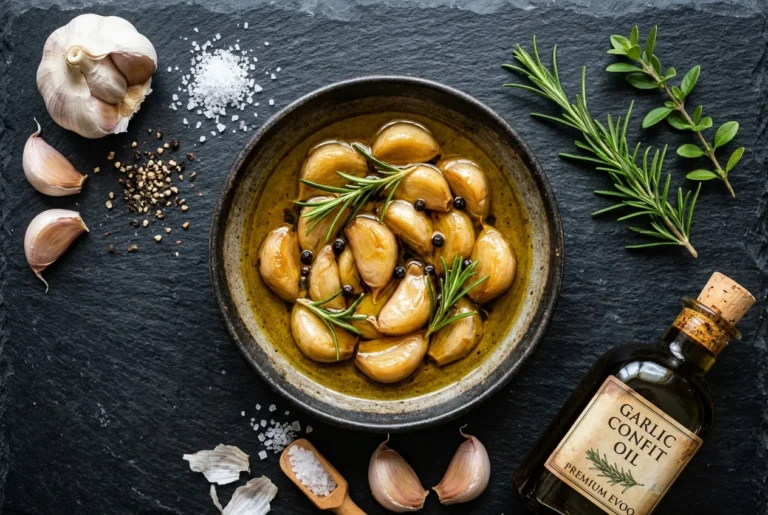
Crafting your own batch at home allows complete control over heat levels, aroma intensity, and texture. Just like our homemade pantry essentials including Ultimate Garlic Confit, luscious Cowboy Butter, and sweet Caramelized Onions, this chili crisp provides a fresh, clean flavor profile that elevates breakfast classics like Crispy Feta Fried Eggs into viral sensations.
By using fresh shallots, crisp garlic, and freshly bloomed whole spices, every spoonful delivers a clean, electric crunch that remains audibly crisp for weeks in your pantry.
The Culinary Science of Crispiness: Oil Thermals and Moisture Extraction
The defining characteristic of world-class chili crisp is persistent crunch. Achieving this state requires understanding the physics of deep frying high-moisture alliums. Raw shallots and garlic contain approximately 70 to 80 percent water by weight. If they are fried too quickly at excessive temperatures, the exterior burns before intracellular water can escape, leaving the inside chewy and rubbery.
According to culinary science principles detailed by Serious Eats Culinary Science, the secret to everlasting crunch is a cold-oil start and slow thermal ramp. Submerging thinly sliced alliums in room-temperature neutral oil and gradually raising the heat allows water to vaporize steadily at 100 degrees Celsius (212 degrees Fahrenheit). As the water boils away through vigorous fine bubbling, cellular walls dehydrate completely without scorching.
Once the bubbling dramatically subsides, signaling that virtually all moisture has escaped, the temperature naturally rises toward 140 degrees to 160 degrees Celsius (285 to 320 degrees Fahrenheit). At this exact threshold, the Maillard reaction and sugar caramelization transform the dehydrated allium slices into golden, rigid, glass-like wafers. Straining them immediately onto paper towels arrests carry-over cooking, ensuring they cool into hyper-crisp flakes that resist oil softening once submerged.

Chili Pepper Variety Matrix: Balancing Heat, Color, and Crunch
Not all dried chili flakes are created equal. Relying solely on standard American pizza-style crushed red pepper will yield an acrid, seed-heavy oil with minimal color extraction. The finest chili crisps combine two or three distinct chili varieties to balance fiery heat, vibrant ruby hue, and pleasant fruitiness.
Consult this comparison matrix to design your custom pepper blend:
| Chili Variety | Scoville Heat (SHU) | Color Extraction | Flake Texture | Flavor Nuance | Ideal Role in Crisp |
|---|---|---|---|---|---|
| Sichuan Facing Heaven (Chao Tian Jiao) | 30,000 to 50,000 SHU | Vibrant scarlet red | Medium-coarse flakes | Fragrant, citrusy, bold heat | Primary heat and authentic Sichuan aroma |
| Korean Gochugaru (Sun-Dried) | 1,500 to 10,000 SHU | Intense deep crimson | Coarse, soft, seedless | Fruity, sweet, smoky | Lush color driver and sweetness builder |
| Mexican Chile de Arbol | 15,000 to 30,000 SHU | Bright orange-red | Thin, papery shards | Nutty, grassy, sharp heat | Pungent kick and snappy texture |
| Syrian / Turkish Aleppo Pepper | 10,000 to 15,000 SHU | Warm burgundy | Oily, salt-cured flakes | Earthy, raisin-like, tangy | Complex background fruitiness |
| Standard Crushed Red Pepper (Cayenne blend) | 30,000 to 45,000 SHU | Muted rust-red | Coarse flakes with yellow seeds | Straightforward, sharp heat | Readily available pantry substitute |
For our benchmark master blend, we utilize a 50/50 combination of Sichuan flakes (or Chile de Arbol) for assertive spicy heat and coarse Korean Gochugaru for radiant crimson color and mild natural sweetness.
Cooking Oil Selection and Smoke Point Comparison
The oil forms the liquid backbone of your condiment. It must withstand heat up to 180 degrees Celsius (350 degrees Fahrenheit) while acting as a neutral carrier that absorbs aromatics without imposing conflicting flavors.
| Cooking Oil Variety | Smoke Point | Flavor Neutrality | Spice Infusion Quality | Crispiness Preservation | Chef Recommendation |
|---|---|---|---|---|---|
| Peanut Oil (Refined) | 232°C (450°F) | Clean, subtle nutty undertone | Exceptional; binds fat-soluble capsicums | 10 / 10 (Gold Standard) | Highly Recommended (Authentic street-food flavor) |
| Avocado Oil (Refined) | 270°C (520°F) | Completely neutral | Superb; highly stable against oxidation | 9.5 / 10 | Excellent premium healthy alternative |
| Grapeseed Oil | 216°C (420°F) | Ultra-neutral, light body | Very good; allows delicate spices to shine | 9.0 / 10 | Great lightweight everyday choice |
| Canola / Vegetable Oil | 204°C (400°F) | Neutral, budget-friendly | Good; reliable baseline extraction | 8.5 / 10 | Budget-friendly workhorse |
| Extra Virgin Olive Oil | 190°C (375°F) | Strong, peppery, grassy | Poor fit; heavy fruitiness clashes with Sichuan spices | 6.0 / 10 | Not recommended for Asian-style chili crisp |
Refined peanut oil remains our supreme recommendation. Its traditional use in Sichuan gastronomy lends a subtle roasted foundation that harmonizes effortlessly with fried shallots and toasted sesame seeds.
Essential Ingredients for the Ultimate Aromatic Infusion
Crafting chili crisp is an exercise in layering textures and umami. Here is the curated ingredient checklist:
- Cooking Oil (1.5 cups / 360 ml): Refined peanut oil or avocado oil.
- Fresh Shallots (4 medium, approx. 150g): Peeled and sliced thinly on a mandoline into uniform 1/16-inch rounds.
- Fresh Garlic Cloves (1 whole head, 10 to 12 cloves): Peeled and thinly sliced crosswise into delicate chips.
- Dried Chili Flake Blend (1/2 cup total): 1/4 cup Sichuan chili flakes plus 1/4 cup Korean Gochugaru flakes.
- Whole Spices for Oil Infusion: 2 whole star anise, 1 small cinnamon stick (cassia bark), 1 black cardamom pod (tsao-ko, lightly crushed), and 2 bay leaves.
- Sichuan Peppercorns (1 tablespoon): Lightly toasted in a dry skillet and coarsely ground. Provides the signature citrusy, tongue-tingling mala sensation.
- Toasted White Sesame Seeds (2 tablespoons): Adds nutty crunch and visual contrast against the red oil.
- Sea Salt (1 teaspoon): Essential to draw out allium flavors and accentuate savory depth.
- Granulated Cane Sugar (1 teaspoon): Rounds out sharp chili bitterness and highlights natural shallot sweetness.
- Fermented Black Beans (Douchi) or Mushroom Powder (1 tablespoon, optional): Introduces an explosion of savory glutamate umami, mimicking the addictive punch of commercial MSG without artificial chemicals.

The 4 Master Steps to Shatteringly Crisp Chili Oil
Execute these four methodical phases to produce vibrant, ruby-red chili crisp with guaranteed crunch:
Step 1: Slice and Dehydrate the Alliums. Using a sharp mandoline slicer, slice peeled shallots and garlic into uniform paper-thin disks (1/16-inch thick). Uniformity is vital; uneven slices result in burnt thin pieces alongside soggy thick pieces. Spread sliced alliums on paper towels for 10 minutes to absorb weeping surface juices.
Step 2: Slow-Fry Shallots and Garlic to Pale Gold. Pour 1.5 cups of oil into a heavy small saucepan. Add sliced shallots into cold oil and set burner over medium-low heat. As oil warms, bubbles will envelope the shallots. Stir occasionally with a wooden spoon for 12 to 15 minutes. Once shallots begin turning pale golden, add the sliced garlic (garlic browns much faster than shallots). Fry together for another 3 to 5 minutes until both turn light golden-blonde. Immediately pour oil and alliums through a fine-mesh metal strainer set over a heatproof metal bowl. Spread fried alliums onto paper towels; they will crisp into brittle golden wafers as they cool.
Step 3: Infuse Whole Spices in Warm Oil. Return the hot strained oil to the saucepan. Add whole star anise, cinnamon stick, black cardamom, and bay leaves. Heat gently over low heat for 8 to 10 minutes until spices release warm, sweet aromas into the oil (oil temperature around 135 degrees Celsius / 275 degrees Fahrenheit). Discard whole spices using slotted tongs.
Step 4: The Sizzling Spice Bloom and Assembly. In a large heatproof bowl (ceramic or stainless steel), combine the chili flakes, ground Sichuan peppercorns, toasted sesame seeds, sea salt, sugar, and fermented black beans. Heat the infused oil to precisely 160 degrees Celsius (320 degrees Fahrenheit). Slowly pour one-third of the hot oil over the dry spice mixture; it will vigorously froth, sizzling with roasted fragrance. Stir gently, then pour in the remaining oil in two steady streams to bloom color without scorching the chili flakes. Let the mixture cool completely to room temperature (approx. 45 minutes). Finally, fold in the cooled crispy shallots and garlic chips. Stir well, transfer to an airtight glass jar, and marvel at your creation!
The Aromatics Staging Strategy: Preventing Burnt Garlic and Bitter Spices
The single most catastrophic mistake in amateur chili crisp preparation is dumping all ingredients into hot oil simultaneously. Garlic has a very low thermal threshold; it scorches past 160 degrees Celsius into bitter black charcoal within seconds. Chili flakes are delicate and surrender their vibrant color to charred black bitterness if scalded with oil above 175 degrees Celsius (350 degrees Fahrenheit).
By employing our staging technique, each element is treated with tailored heat:
Shallots and garlic are fried gently in oil, strained, and cooled independently. Whole aromatic bark and pods are steeped in warm oil like tea to extract fat-soluble volatile terpenes. Finally, the oil is poured over chili flakes at 160 degrees Celsius: hot enough to activate capsicinoids and red carotenoid pigments, yet cool enough to preserve sweet, toasted chili notes. Recombining the crispy fried bits only after the oil has fully cooled ensures they never soften from residual heat.

Creative Culinary Applications: Elevating Everyday Meals
Once a jar of homemade chili crisp resides in your pantry, you will find yourself reaching for it at every meal. Here are sensational pairings beyond traditional stir-fries:
1. The Crispy Chili Fried Egg: Heat a tablespoon of chili crisp oil and solids in a hot non-stick skillet. Crack an egg directly on top and fry until edges are deeply caramelized and crispy while yolk remains molten.
2. Gourmet Pizza & Flatbread Drizzle: Spoon chili crisp over fresh mozzarella pizza or burrata flatbread the instant it emerges from the oven. The combination of creamy dairy fat and crunchy chili heat is sensational.
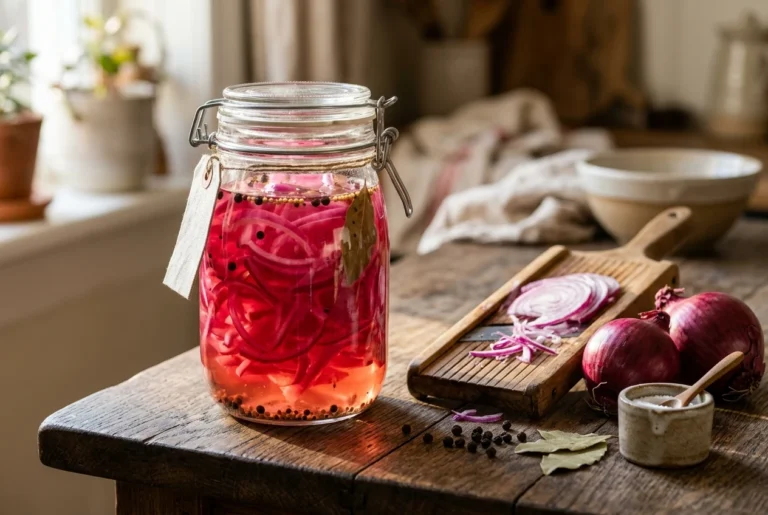
3. Silky Greek Yogurt Dip: Swirl a generous spoonful into thick labneh or whole-milk Greek yogurt with minced garlic and lemon juice. Serve with warm pita bread or crunchy cucumber slices alongside tangy Quick Pickled Red Onions.
4. The Viral Vanilla Ice Cream Topping: Drizzle a spoonful of chili crisp over rich vanilla bean ice cream. The cold, sweet dairy custard tames the spicy heat, while crunchy garlic-shallot flakes create an addictive savory contrast.
Comprehensive Troubleshooting Guide: Rescuing Overcooked Batches
Keep these culinary diagnostic solutions handy to guarantee success on your first attempt:
Problem: The garlic and shallots turned dark brown too fast and taste bitter.
Root Cause: Stove heat was too aggressive, or alliums were sliced too thin.
Immediate Fix: Discard the charred alliums and strain the oil immediately. Charred alliums cannot be saved and will ruin the entire batch with acrid bitterness. Re-slice fresh shallots and garlic, fry them over gentler medium-low heat in fresh oil, and proceed.
Problem: The chili crisp became soft and soggy after two days in the jar.
Root Cause: Slices were removed from oil before water fully evaporated, or were folded into hot oil before it cooled completely.
Immediate Fix: Next time, ensure all bubbling has nearly ceased before removing alliums from oil, and never fold crispy bits into oil until it reaches room temperature.
Problem: The oil lacks deep ruby-red color and looks pale orange.
Root Cause: Chili flakes were too coarse or oil was slightly too cool during blooming.
Immediate Fix: Whisk in 1 teaspoon of hot paprika or fine Gochugaru powder into warm oil; fine powder rapidly yields rich red pigments.
Nutritional Profile and Dietary Balance
Chili crisp is a calorie-dense culinary condiment rich in monounsaturated fats and powerful capsicum antioxidants. Capsaicin has been shown to support metabolic expenditure, while allium flavonoids like quercetin combat systemic oxidative stress.
According to certified nutritional benchmarks from USDA FoodData Central, here is the nutritional breakdown for one standard tablespoon serving (15 ml / approx. 14g):
| Nutrient Breakdown | Amount per Serving (1 tbsp / 14g) | Daily Value Percentage (% DV) | Dietary Significance |
|---|---|---|---|
| Calories | 115 kcal | 6 % | Concentrated, satisfying healthy fat portion |
| Total Fat | 12.5 g | 16 % | Predominantly heart-healthy monounsaturated peanut oil |
| Saturated Fat | 2.1 g | 10 % | Naturally occurring plant lipids |
| Trans Fat | 0.0 g | 0 % | Pure, unhydrogenated culinary fats |
| Cholesterol | 0 mg | 0 % | Naturally cholesterol-free vegan condiment |
| Sodium | 125 mg | 5 % | Balanced sodium levels, far lower than commercial jars |
| Total Carbohydrates | 1.8 g | 1 % | Complex allium starches and chili fiber |
| Dietary Fiber | 0.6 g | 2 % | Natural pepper and shallot cellulose |
| Sugars | 0.7 g | — | Trace natural allium sugars |
| Protein | 0.5 g | 1 % | Plant amino acids from sesame and alliums |
| Vitamin A | 240 IU | 5 % | Beneficial carotenoids from red chili peppers |
| Capsaicin Compounds | 18 mg | — | Potent metabolic and anti-inflammatory agent |
Safe Shelf-Life, Storage Temperature, and Botulism Prevention
Food safety is paramount when storing infused oils at room temperature. Garlic and shallots naturally harbor spores of Clostridium botulinum from soil. When raw garlic is submerged in oxygen-free oil at room temperature, it creates an environment where botulism toxins can develop.
However, this recipe is completely shelf-stable because all garlic and shallots are thoroughly deep-fried to crisp dryness. Frying at temperatures above 140 degrees Celsius expels all available moisture (water activity falls below 0.85 aw), creating an environment where bacterial spores cannot germinate. Additionally, whole spices are pasteurized in hot 160-degree oil.
Store your cooled chili crisp in a clean, dry glass jar tightly sealed in a cool, dark pantry or cupboard away from direct sunlight for up to 3 months. Always use a clean, completely dry spoon when scooping to prevent introducing atmospheric moisture into the jar. If you prefer to refrigerate, note that peanut oil may solidify slightly; simply let the jar sit at room temperature for ten minutes before serving to restore liquid fluidity.
Frequently Asked Questions About Chili Crisp Recipe
Can I make this chili crisp recipe less spicy?
Absolutely! Simply increase the proportion of mild Korean Gochugaru to 75 percent and reduce the Sichuan flakes or Arbol chilies to 25 percent. You will achieve the same glorious red color and crunch with very gentle warmth.
What can I use instead of peanut oil for nut allergies?
Refined avocado oil or grapeseed oil are phenomenal allergen-free alternatives. Both feature high smoke points and neutral flavor profiles that let the aromatics shine cleanly.
Why do my shallots turn soggy after being added to the oil?
Ensure the fried shallots and garlic are completely cooled to room temperature on paper towels before mixing them into the oil. Furthermore, the chili oil itself must be cooled to room temperature before combining. Combining warm oil with crispy flakes creates condensation that softens the crunch.
Do I need to grind the Sichuan peppercorns finely?
A coarse grind is preferred. Coarsely crushed peppercorns release pleasant citrusy floral notes without leaving powdery, sandy sediment at the bottom of the jar.
Is homemade chili crisp vegan and gluten-free?
Yes! This master recipe contains exclusively plant-based ingredients: neutral oil, fresh alliums, dried chilies, whole spices, sesame seeds, salt, and sugar. It is 100 percent vegan, dairy-free, and naturally gluten-free.
Master Homemade Chili Crisp (Fiery Golden Crunch)
- Total Time: 40 mins
- Yield: 1.75 cups (approx. 28 servings of 1 tbsp) 1x
Description
Create authentic homemade chili crisp with crispy golden shallots, toasted garlic shards, fragrant Sichuan peppercorns, and deeply savory chili oil.
Ingredients
- 1.5 cups (360 ml) peanut oil or refined avocado oil
- 4 medium shallots (approx. 150g), thinly sliced into 1/16-inch rounds on a mandoline
- 1 whole head garlic (10 to 12 cloves), peeled and sliced into uniform paper-thin chips
- 1/4 cup Sichuan chili flakes (Facing Heaven / Chao Tian Jiao)
- 1/4 cup Korean Gochugaru coarse flakes
- 1 tablespoon whole Sichuan peppercorns, lightly toasted and coarsely ground
- 2 tablespoons toasted white sesame seeds
- 2 whole star anise
- 1 small cinnamon stick (cassia bark)
- 1 black cardamom pod (tsao-ko), lightly crushed
- 2 whole dried bay leaves
- 1 teaspoon fine sea salt
- 1 teaspoon granulated sugar
- 1 tablespoon fermented black beans (douchi), finely chopped (optional)
Instructions
- Slice and Dry Alliums: Slice peeled shallots and garlic into uniform paper-thin disks (1/16-inch) with a mandoline. Pat gently with paper towels for 10 minutes to remove excess surface moisture.
- Slow-Fry Shallots and Garlic: Pour cold oil into a small heavy saucepan. Add shallots and heat over medium-low. Cook 12 to 15 minutes until pale golden. Add sliced garlic and cook 3 to 5 minutes more until both turn light blonde. Immediately pour through a fine-mesh metal sieve over a heatproof bowl. Spread crispy alliums on paper towels to cool and harden into fragile chips.
- Infuse Oil with Whole Aromatics: Pour strained oil back into the saucepan. Add star anise, cinnamon stick, black cardamom, and bay leaves. Steep over low heat for 8 to 10 minutes (approx. 135°C / 275°F) until intensely fragrant. Discard whole spices with tongs.
- Bloom Spices and Assemble: In a heatproof bowl, combine chili flakes, ground Sichuan peppercorns, sesame seeds, salt, sugar, and fermented black beans. Reheat the aromatic oil to 160°C (320°F). Slowly pour hot oil in three stages over the chili mixture, stirring gently as it sizzles and turns crimson. Let cool completely to room temperature (approx. 45 minutes). Fold in the cooled crispy shallots and garlic chips. Transfer to a sealed glass jar!
Notes
Always allow both the infused oil and fried alliums to cool to room temperature before combining. Combining warm oil with fried alliums causes moisture condensation that softens the crunch. Keeps in a cool, dark pantry for up to 3 months.
- Prep Time: 15 mins
- Cook Time: 25 mins
- Category: Cooking tips
- Cuisine: Sichuan / Chinese Pantry Condiments



One Comment
Comments are closed.