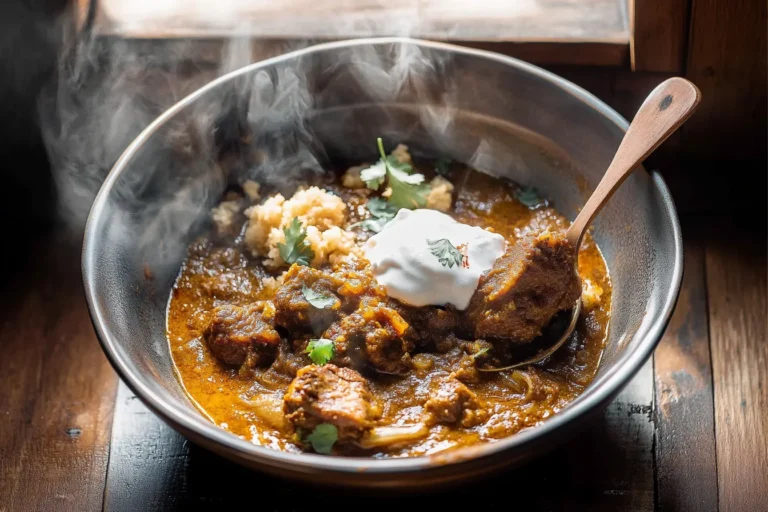
Slow Cooker Lamb Stew Recipe: 4 Gourmet Secrets to Melt-in-Your-Mouth Tenderness
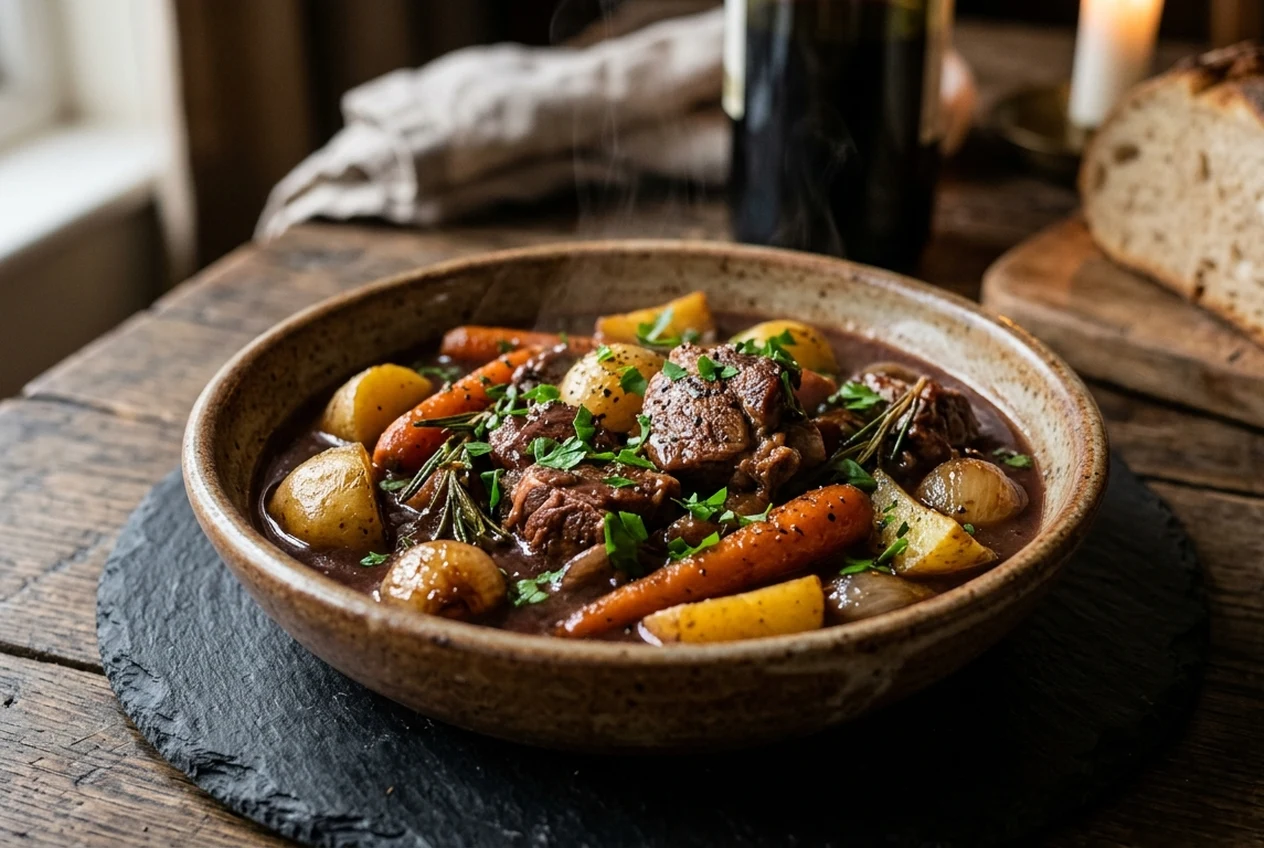
There is an elemental comfort that fills your home when a pot of slow-simmered braised lamb gently bubbles over hours of low, patient heat. This classic Slow Cooker Lamb Stew Recipe transforms economical, collagen-rich cuts of lamb into luxurious, fork-tender morsels that dissolve effortlessly on the tongue. Enveloped in an unctuous reduction of dry red wine, rich beef bone broth, caramelized tomato paste, tender sweet baby carrots, golden Yukon potatoes, and fragrant garden rosemary, every single spoonful delivers deep culinary warmth and refined rustic elegance.
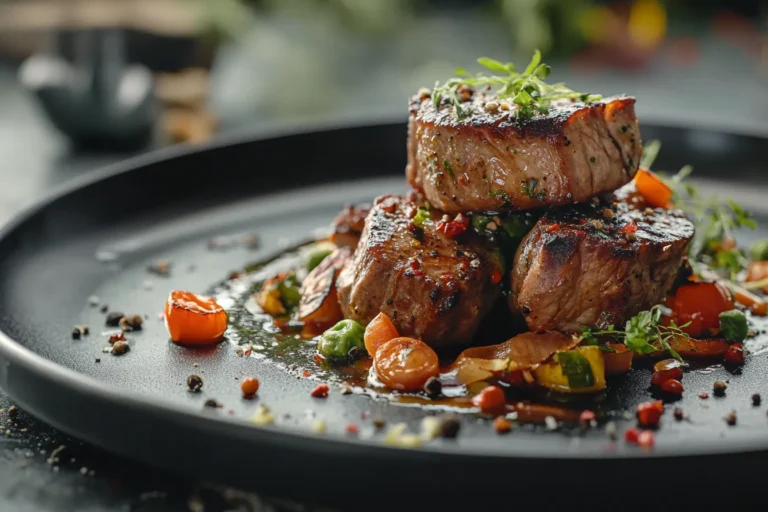
If you have enjoyed our popular oven-roasted centerpiece, Tender Lamb Loin Roast Mouthwatering Dish for Foodies, this slow cooker stew offers an entirely different realm of textural luxury. While quick-roasted loins celebrate delicate pink tenderness, slow-braised shoulder meat thrives on the complete enzymatic breakdown of connective tissues into velvety gelatin. In this comprehensive culinary master guide, we explore the butcher science, meat thermodynamics, and 4 chef secrets that ensure your Slow Cooker Lamb Stew Recipe achieves restaurant-caliber unctuousness with zero greasiness or tough meat fibers.
Table of Contents: Slow Cooker Mastery Guide
- Why This Slow Cooker Lamb Stew Recipe Works So Incredibly Well
- Essential Ingredients and Butcher Sourcing Standards
- 4 Gourmet Secrets to Melt-in-Your-Mouth Lamb Tenderness
- Step-by-Step Cooking Instructions
- Lamb Cut Comparison Matrix: Shoulder vs Leg vs Shank vs Neck
- Thermal Dynamics: Slow Cooker Low vs High vs Dutch Oven vs Instant Pot
- Liquid and Acid Braising Matrix: Wine vs Stock vs Aromatics
- Aromatic and Botanical Herb Infusion Guide
- Culinary Troubleshooting and Solution Matrix
- Rustic Serving Traditions and Sommelier Wine Pairings
- Make-Ahead, Freezing, and Reheating Instructions
- Frequently Asked Questions
- Official Printable Recipe Card
Why This Slow Cooker Lamb Stew Recipe Works So Incredibly Well
Many home cooks struggle with slow cooker stews that turn out watery, gray, or disappointingly bland. The physics of a slow cooker differs drastically from open stove braising. Because slow cookers possess tightly sealed lids with minimal steam evaporation, liquids do not reduce or concentrate naturally over cooking. If you simply toss raw meat, raw vegetables, and broth into the crock, you end up with boiled, soggy stew rather than a deeply savory braise. The Slow Cooker Lamb Stew Recipe overcomes these pitfalls through three rigorous culinary steps.
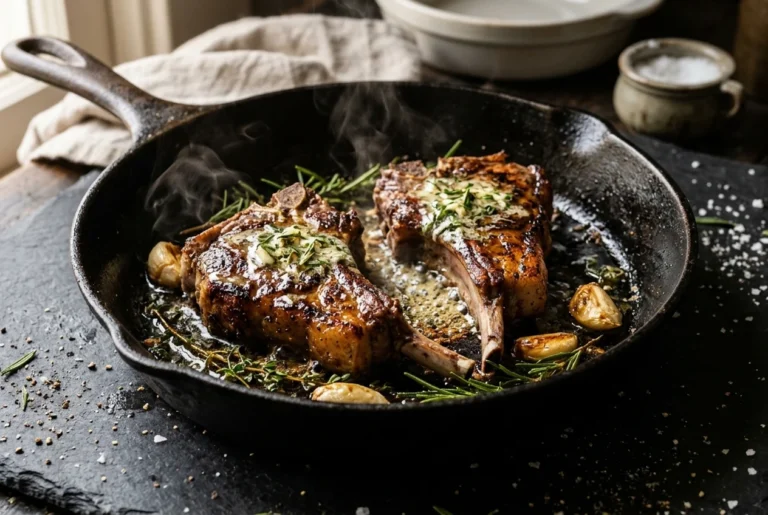
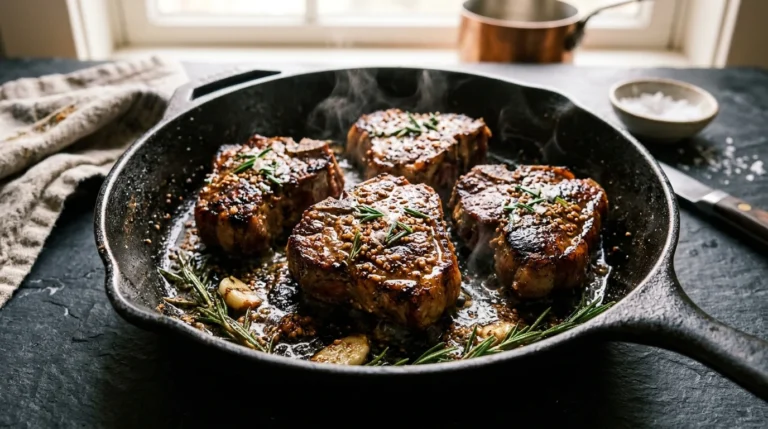
First, the meat receives an aggressive, smoking-hot sear in a heavy cast-iron skillet before touching the slow cooker. This high-heat searing activates the Maillard reaction, developing hundreds of new flavor compounds and a deeply caramelized outer crust. The residual fond left in the pan is then deglazed with dry red wine, unlocking caramelized sugars and rich meat drippings that are poured straight into the slow cooker basin.
Second, the lamb is lightly dusted in unbleached flour prior to searing. As the stew gently simmers for 7 to 8 hours on low heat, this pre-cooked flour gelatinizes in tandem with the natural collagen escaping the lamb bones and connective tissue. The result is a glossy, velvety reduction that clings luxuriously to the back of a wooden spoon without requiring artificial slurry thickeners at the end.
Essential Ingredients and Butcher Sourcing Standards
Creating an exceptional stew demands deliberate sourcing. Because lamb boasts a distinct, grassy pasture richness, each supporting ingredient must be chosen to harmonize with and elevate those robust flavors:

- Boneless or Bone-In Lamb Shoulder: Sourced from pasture-raised lamb. Shoulder contains the optimum 70-to-30 lean-to-fat balance and dense networks of intramuscular collagen that convert into luscious gelatin during slow simmering.
- Baby Yukon Gold Potatoes: Yukon golds feature a waxy-creamy starch profile that holds its structural integrity across 8 hours of slow cooking without disintegrating into mush.
- Dutch Sweet Baby Carrots: Sliced into thick, hearty rounds. Their natural sugars slowly caramelize, balancing the savory tannins of the braising wine.
- Peeled Pearl Onions: Tender whole pearl onions impart sweet bursts of allium aroma throughout the stew without melting away completely like diced yellow onions.
- Dry Full-Bodied Red Wine: A bold Cabernet Sauvignon, Syrah, or Côtes du Rhône. Avoid sweet cooking wines. Real drinking wine provides balanced acidity that cuts through rich lamb fat.
- Rich Roasted Beef Bone Broth: Provides a deep, gelatin-rich savory foundation that cushions the wine reduction.
- Double-Concentrated Tomato Paste: Caramelized in the skillet fond to provide deep umami notes and a rich, dark mahogany color.
- Fresh Woody Herbs (Rosemary and Thyme): Whole sprigs tied with butcher twine infuse piney herbal sweetness into the simmering broth.
- Fresh Garlic: Crushed fresh cloves deliver pungent depth that mellows into buttery sweetness during long braising.
4 Gourmet Secrets to Melt-in-Your-Mouth Lamb Tenderness
Achieving legendary stew consistency is an art of patience and temperature discipline. Keep these 4 vital chef secrets at the forefront of your preparation:
1. Cut Lamb Chunks Large (1.5 to 2 Inches): Lamb contracts substantially during braising as moisture evaporates and collagen melts. Cutting small 1-inch cubes leads to dried-out, shredded meat nuggets. Large 2-inch chunks retain internal juiciness and present gorgeous, fork-tender portions on the plate.
2. Always Cook on Low Heat (Never Rush on High): Collagen begins to denature into gelatin at 160 degrees Fahrenheit, but the optimal conversion rate occurs between 180 and 195 degrees Fahrenheit. Cooking on the slow cooker high setting boils the meat at 212 degrees, causing muscle fibers to seize up tightly and turn stringy. Low heat for 7 to 8 hours guarantees silky, melt-in-your-mouth tenderness.

3. Thorough Skillet Deglazing: Never skip searing in a separate skillet. The brown bits (fond) stuck to the bottom of the pan hold intense savory complexity. Deglazing with dry red wine releases these umami flavor bombs, which transform ordinary stock into a luxurious restaurant sauce.
4. Skim Surface Fat Before Serving: While lamb shoulder fat is essential for flavor and moisture during cooking, rendering fat floats to the surface upon completion. Use a wide stainless ladle to skim the golden fat layer off the top right before serving, ensuring a clean, velvety mouthfeel that never coats the palate uncomfortably.
Step-by-Step Cooking Instructions
Follow this precise culinary progression for flawless execution every single time:
- Prep and Dry the Meat: Trim excess surface fat cap from 2.5 lbs of lamb shoulder, leaving pleasant marbling intact. Cut meat into uniform 1.5 to 2-inch cubes. Pat completely dry with paper towels to ensure a violent, crisp sear.
- Season and Flour: Toss lamb chunks in a mixing bowl with 1 teaspoon kosher salt, 1/2 teaspoon freshly ground black pepper, and 3 tablespoons of unbleached all-purpose flour until every piece is lightly coated.
- Sear in Batches: Heat 2 tablespoons of avocado oil or high-heat olive oil in a large cast-iron skillet over high heat. Add lamb in two batches, searing undisturbed for 3 minutes per side until deeply golden-brown and crusty. Transfer seared lamb into the slow cooker bowl.
- Sauté Aromatics & Tomato Paste: Lower skillet heat to medium. Add 1 tablespoon butter, sliced celery, and crushed garlic cloves. Cook for 2 minutes until fragrant. Add 2 tablespoons double-concentrated tomato paste and stir constantly for 90 seconds until the paste darkens to a deep brick red.
- Deglaze with Red Wine: Pour 1 cup of dry red wine into the hot skillet. Bring to a brisk boil while scraping all browned bits off the pan bottom with a flat wooden spatula. Simmer for 3 minutes until wine reduces by half. Pour entire contents of the skillet over the lamb in the slow cooker.
- Assemble Root Vegetables & Broth: Add quartered Yukon gold potatoes, thick-cut carrots, and pearl onions around the lamb. Pour in 1.5 cups rich beef bone broth and 1 tablespoon Worcestershire sauce. Nestle fresh rosemary, thyme sprigs, and 2 dried bay leaves into the liquid.
- Slow Cook on Low: Cover with tight-fitting lid. Set slow cooker to LOW and cook undisturbed for 7 to 8 hours (or on HIGH for 4 to 5 hours, though LOW is strongly recommended). Meat should be completely fork-tender and vegetables soft yet holding their shape.
- Finishing Touches: Discard herb stems and bay leaves. Skim off any excess surface fat with a wide ladle. Taste sauce and adjust seasoning with flaky sea salt and cracked pepper. Stir in 1 cup thawed frozen sweet peas during the final 10 minutes of cooking for a vibrant green pop.
Lamb Cut Comparison Matrix: Shoulder vs Leg vs Shank vs Neck
Selecting the ideal cut dictates the final texture and succulence of your stew. Review our professional butcher comparison:
| Lamb Cut | Fat & Collagen Ratio | Optimal Braising Time | Flavor Profile | Chef Recommendation |
|---|---|---|---|---|
| Lamb Shoulder (Blade / Arm) | High collagen (25%), moderate fat | 7 to 8 hours on Low | Deep, robust, intensely succulent | First choice for classic rich stew |
| Lamb Leg (Boneless) | Low collagen (10%), lean muscle | 5 to 6 hours on Low | Mild, clean, slightly drier texture | Good option for lighter, lower-fat stews |
| Lamb Shank (Cross-Cut) | Extreme collagen (35%), marrow bone | 8 to 9 hours on Low | Viscous, rich, sticky savory sauce | Superb for restaurant-grade unctuousness |
| Lamb Neck (Stew Cut) | Very high collagen and bone content | 7 to 8 hours on Low | Concentrated rustic gamey sweetness | Budget-friendly, highly traditional cut |
Thermal Dynamics: Slow Cooker Low vs High vs Dutch Oven vs Instant Pot
Each cooking vessel utilizes distinct thermodynamic principles. Here is how slow cooking on low outperforms alternative methods:
| Appliance / Method | Target Temperature | Cooking Duration | Moisture Loss Rate | Final Meat Texture |
|---|---|---|---|---|
| Slow Cooker (Low Setting) | 185°F to 195°F (Gentle Simmer) | 7 to 8 Hours | Minimal (<5% closed loop) | Uniformly tender, juicy, velvety |
| Slow Cooker (High Setting) | 210°F to 212°F (Active Boil) | 4 to 5 Hours | Low (<8% closed loop) | Slightly stringy, faster collagen melt |
| Enameled Cast-Iron Dutch Oven | 300°F to 325°F (Oven Convection) | 2.5 to 3 Hours | Moderate (15% natural reduction) | Caramelized surface, thick gravy |
| Electric Pressure Cooker (Instant Pot) | 240°F to 250°F (High Pressure) | 45 Minutes + Natural Release | Zero evaporation (0%) | Soft meat, thinner sauce requiring reduction |
Liquid and Acid Braising Matrix: Wine vs Stock vs Aromatics
Balancing the acidity and richness of your braising liquid creates harmony on the palate:
| Braising Component | Primary Culinary Role | Recommended Variety | Flavor Impact |
|---|---|---|---|
| Dry Red Wine | Tannic acid to cut fat, deep color | Cabernet Sauvignon or Syrah | Rich fruit backbone, complex finish |
| Roasted Beef Bone Broth | Gelatin base and body | Concentrated homemade or organic stock | Savory foundation, glossy mouthfeel |
| Tomato Paste | Glutamic acid (natural umami) | Italian double-concentrated paste | Savory sweetness, brick-red tint |
| Worcestershire Sauce | Fermented salinity and acidity | Traditional aged barrel sauce | Subtle anchovy-tamarind complexity |
Aromatic and Botanical Herb Infusion Guide
Herbs provide the fragrant bridge between the rich lamb and sweet root vegetables. Follow our botanical profile:
| Herb / Aromatic | Volatile Compounds | Optimal Addition Timing | Culinary Benefit |
|---|---|---|---|
| Fresh Garden Rosemary | Pinene, camphor, cineole | Start of slow cooking (whole sprigs) | Resinous warmth that complements lamb fats |
| French Garden Thyme | Thymol, carvacrol | Start of slow cooking (bundled) | Subtle earthiness, balances wine acidity |
| Dried Bay Leaves (Turkish) | Eugenol, herbal floral notes | Whole leaf in simmering broth | Deep background herbal aroma |
| Fresh Flat-Leaf Parsley | Apiol, pure chlorophyll freshness | Stirred in at serving | Vibrant visual appeal and clean finish |
Culinary Troubleshooting and Solution Matrix
Solve any unexpected culinary dilemma quickly with our diagnostic guide:
| Observed Issue | Root Cause | Immediate Corrective Action |
|---|---|---|
| Lamb is tough and rubbery | Cooked on High or removed too early before collagen breakdown | Continue simmering on Low for another 60 to 90 minutes until fork-tender |
| Stew liquid is too thin or watery | No steam evaporation occurred in slow cooker | Whisk 1 tbsp cornstarch with 2 tbsp cold water, stir into crock on High for 15 mins |
| Sauce tastes unpleasantly greasy | Excess rendered lamb shoulder fat pooled on top | Skim surface fat with a wide ladle, or chill overnight and lift solidified fat disk |
| Vegetables disintegrated completely | Potatoes cut too small or russet potatoes used | Use waxy Yukon golds cut into thick 1.5-inch quarters; add during last 4 hours if necessary |
Rustic Serving Traditions and Sommelier Wine Pairings
Serve this hearty lamb stew in warm, shallow ceramic bowls alongside classic accompaniments that celebrate comfort food heritage:

- Warm Crusty Artisan Sourdough: Thick, toasted sourdough slices slathered with European salted butter provide the ultimate tool for mopping up every drop of rich red wine gravy.
- Creamy Mashed Potatoes or Polenta: Spooning hearty stew over buttery Yukon gold mash or soft mascarpone polenta creates luxurious decadence.
- Crisp Peppery Arugula Salad: Baby arugula and thinly shaved radishes tossed with lemon vinaigrette provide a refreshing citrus lift.
- Sommelier Wine Selections:
- Cabernet Sauvignon (Napa Valley or Bordeaux): Bold structural tannins cut through rich lamb collagen with dark blackberry notes.
- Syrah / Shiraz (Rhône Valley or Barossa): Peppery, smoky nuances mirror the seared lamb crust and rosemary aromatics.
- Rioja Gran Reserva (Tempranillo, Spain): Leathery, oak-aged vanilla complexity that complements braised red meats sublimely.
Make-Ahead, Freezing, and Reheating Instructions
Like all great braises, this stew tastes even better the next day as the aromatic spices meld into the meat:
- Refrigeration: Allow stew to cool to room temperature. Store in airtight containers for up to 4 days. As the stew chills, the fat hardens on top, making it effortless to scrape off and discard before reheating.
- Reheating on Stovetop: Transfer desired portion to a heavy saucepan. Warm over medium-low heat, stirring occasionally, until simmering hot (add 2 to 3 tablespoons of beef stock if gravy thickened excessively).
- Freezing: Portion completely cooled stew into freezer-safe containers, leaving 1/2-inch headspace for expansion. Freeze for up to 3 months. Thaw overnight in the refrigerator before reheating gently on the stove.
Frequently Asked Questions
Can I make this stew without alcohol?
Yes. Replace red wine with an equal volume of rich beef bone broth mixed with 2 tablespoons of balsamic vinegar and 1 teaspoon of Worcestershire sauce for equivalent depth and balancing acidity.
Do I have to brown the lamb before slow cooking?
While the slow cooker will cook unseared meat safely, skipping the sear robs the stew of crucial caramelized flavor compounds. Searing for just 6 minutes creates the rich mahogany color and foundational fond that elevates this recipe to gourmet status.
Can I add mushrooms or parsnips?
Absolutely. Cremini or button mushrooms cut into halves and peeled parsnips pair effortlessly with lamb stew. Add them along with the carrots and potatoes at the beginning of cooking.
What if my stew looks too thick after chilling?
The stew will set into a thick gelatinous matrix in the refrigerator due to the high natural collagen extracted from the lamb shoulder. As soon as it warms on the stove, that gelatin melts back into a silky, luscious gravy.
Official Printable Recipe Card
Print
Slow Cooker Lamb Stew Recipe
- Total Time: 8 hours 25 mins
- Yield: 6 generous servings 1x 1x
Description
Description
Melt-in-your-mouth slow-cooked lamb stew featuring succulent lamb shoulder cubes, tender baby carrots, golden Yukon potatoes, and pearl onions simmered in a rich Cabernet Sauvignon and rosemary reduction.
Ingredients
- 2.5 lbs (1.1kg) boneless lamb shoulder, trimmed of excess surface fat and cut into 1.5 to 2-inch chunks
- 3 tablespoons unbleached all-purpose flour
- 1 teaspoon fine kosher salt
- 1/2 teaspoon freshly cracked black pepper
- 2 tablespoons avocado oil or high-heat olive oil (for searing)
- 1 tablespoon unsalted butter
- 2 medium celery stalks, sliced thick
- 4 cloves fresh garlic, crushed and minced
- 2 tablespoons double-concentrated tomato paste
- 1 cup (240ml) dry full-bodied red wine (Cabernet Sauvignon or Côtes du Rhône)
- 1.5 cups (360ml) rich roasted beef bone broth
- 1 tablespoon Worcestershire sauce
- 1 lb (450g) baby Yukon gold potatoes, scrubbed and quartered
- 1 lb (450g) baby Dutch carrots, peeled and sliced into thick coins
- 1 cup (150g) peeled pearl onions (fresh or thawed frozen)
- 3 sprigs fresh garden rosemary
- 4 sprigs fresh French thyme
- 2 dried Turkish bay leaves
- 1 cup (130g) frozen sweet peas (stirred in during last 10 mins)
- 1/4 cup fresh flat-leaf parsley, finely chopped (for serving)
Instructions
- Dry & Coat Lamb: Pat cubed lamb shoulder thoroughly dry with paper towels. In a large bowl, toss lamb chunks with flour, kosher salt, and black pepper until evenly coated on all sides.
- Hard Sear for Fond: Heat 2 tablespoons oil in a heavy cast-iron skillet over high heat until shimmering. Add lamb in two uncrowded batches; sear undisturbed for 3 to 4 minutes per side until deeply browned and caramelized. Transfer seared lamb into the slow cooker bowl.
- Sauté Aromatics & Tomato Paste: Lower skillet heat to medium. Add butter, celery, and garlic, stirring for 1 to 2 minutes until fragrant. Add tomato paste and cook, stirring constantly, for 90 seconds until the paste darkens to a deep brick red.
- Deglaze with Red Wine: Pour red wine into skillet. Bring to a vigorous simmer while scraping up all rich browned bits (fond) from the pan bottom. Simmer for 3 minutes until wine reduces by half, then pour entire skillet contents over lamb in slow cooker.
- Assemble Root Vegetables & Broth: Add quartered Yukon potatoes, sliced carrots, and pearl onions around the lamb. Pour in beef bone broth and Worcestershire sauce. Nestle rosemary, thyme sprigs, and bay leaves into the braising liquid.
- Slow Cook Low & Slow: Cover slow cooker tightly with lid. Cook on LOW for 7 to 8 hours (or on HIGH for 4 to 5 hours, though LOW yields far superior tenderness) until lamb is fork-tender and succulent.
- Finish, Skim & Garnish: Remove and discard herb stems and bay leaves. Skim excess rendered fat from the surface using a wide stainless ladle. Stir in thawed sweet peas, cover, and rest on warm for 10 minutes. Garnish with chopped fresh parsley and serve steaming hot.
Notes
Always cut lamb shoulder into generous 1.5 to 2-inch chunks, as small cubes dry out during long cooking. Cooking on LOW allows collagen to melt into luxurious gelatin without boiling the muscle fibers. Skimming surface fat ensures a velvety, clean sauce.
- Prep Time: 25 mins
- Cook Time: 8 hours
If you want more lamb recipes, Explore now
Follow us on Facebook and Pinterest for cooking tips, delicious recipes, and more ideas.