Crab Imperial Stuffed Halibut Recipe: 4 Gourmet Secrets to Golden Seafood Luxury
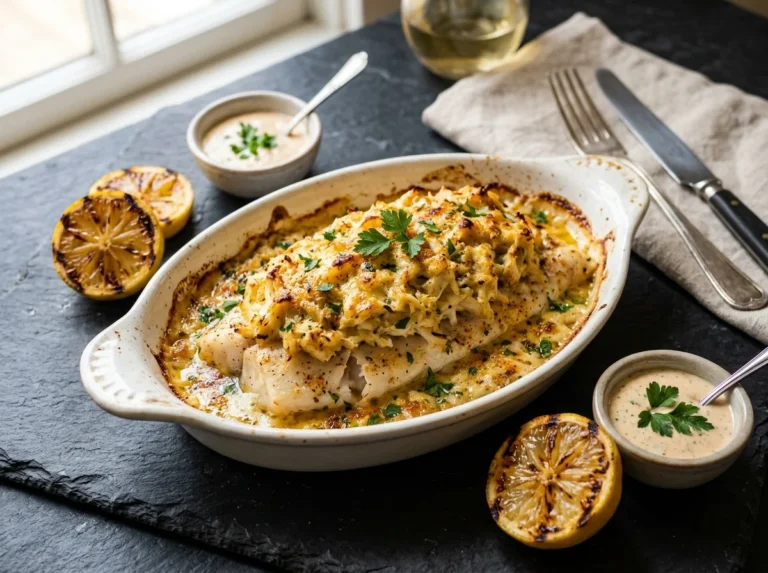
In the grand pantheon of haute coastal cuisine, few culinary triumphs rival the majestic elegance of an authentic Crab Imperial Stuffed Halibut Recipe. In this definitive gourmet guide, thick center-cut fillets of wild Alaskan halibut provide a pristine, pearlescent foundation for a luxurious crown of Maryland jumbo lump blue crab meat, delicately enveloped in a golden, bubbling imperial emulsion. Each decadent bite offers an intoxicating interplay of sweet ocean crustacean, tender flaky white fish, creamy piquancy, and aromatic Old Bay warmth that elevates your dining room into a premier coastal steakhouse.
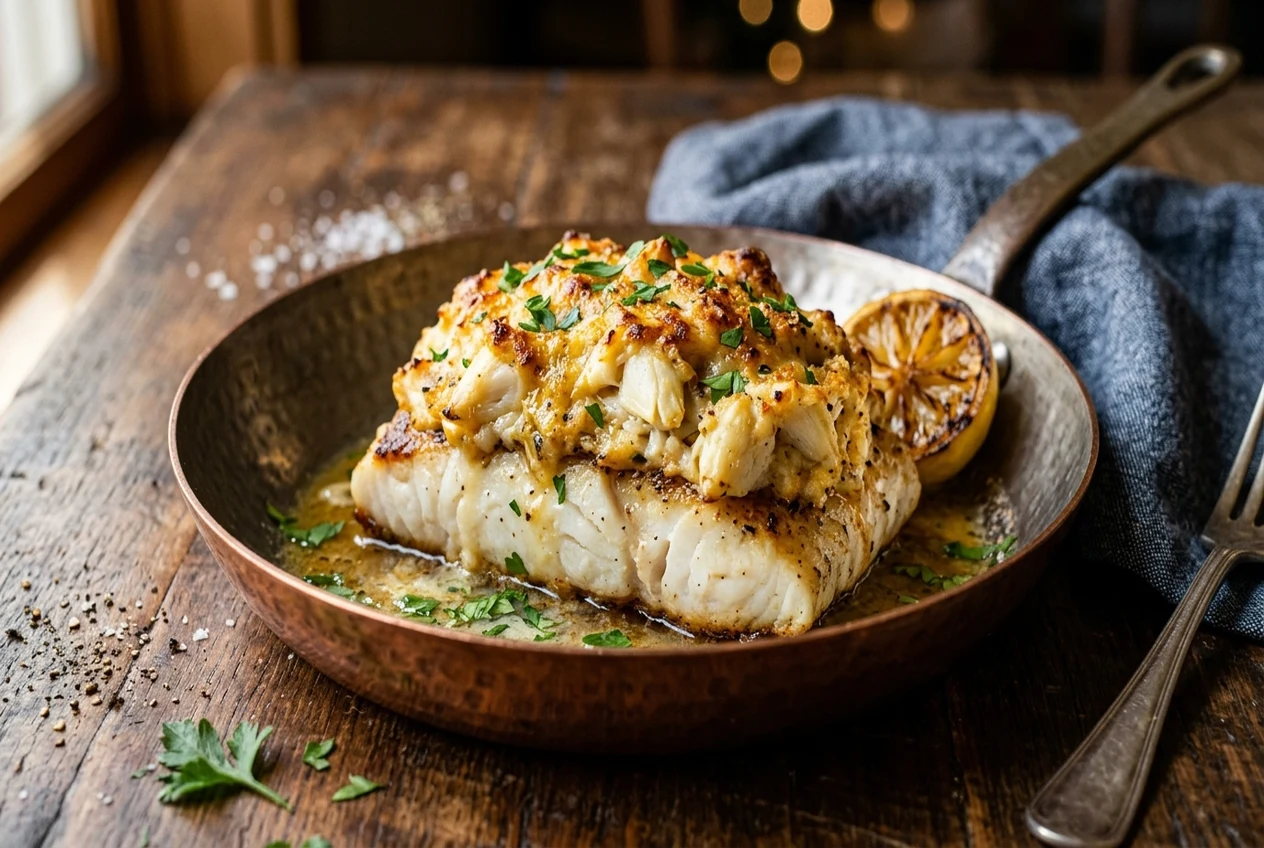
Table of Contents
- The Culinary Architecture of Stuffed Halibut Imperial
- Gourmet Ingredient Selection & Quality Standards
- Ingredient Flavor Profile & Substitution Matrix
- Essential Kitchen Equipment for Flawless Execution
- Step-by-Step Master Culinary Execution
- Fish Foundation Dynamics: Halibut vs Branzino vs Sea Bass
- 4 Gourmet Secrets to Steakhouse-Quality Stuffed Seafood
- The Science of Crab Imperial Emulsion: Fat, Egg & Heat Stability
- Halibut Moisture Dynamics: Protein Denaturation & Flake Integrity
- Sommelier Wine Pairings & Gourmet Side Dishes
- Storage, Reheating, and Make-Ahead Strategies
- Frequently Asked Questions
The Culinary Architecture of Stuffed Halibut Imperial
Dating back to nineteenth-century Baltimore and the Chesapeake Bay, Crab Imperial was conceived as the apex of seafood luxury: sweet blue crab lumps bound not by heavy breading or fillers, but by a delicate emulsion of high-quality mayonnaise, egg yolk, mustard, and seasonings. When this rich topping is paired with a noble white fish like wild Pacific or Alaskan halibut, the result is sheer gastronomic poetry.
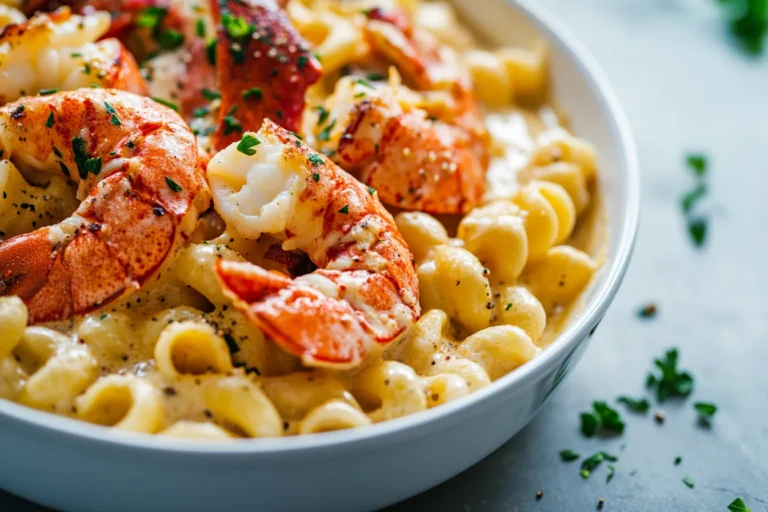
Halibut is celebrated for its firm, large flakes and mild, sweet profile, making it the ideal structural canvas to support the unctuous weight of an imperial topping without being overwhelmed. However, home cooks frequently encounter two major pitfalls: dry, chalky fish caused by prolonged baking, or broken, oily crab toppings that slide off the fillet. Our proven technique utilizes high-heat bottom searing followed by a dual-stage broil that guarantees a moist, juicy fish interior and a blistered, golden gratin crust. If you have previously prepared our renowned Branzino Crab Imperial: A Gourmet Seafood Delight Recipe, this halibut iteration offers a thicker, steak-like profile that satisfies even the most demanding seafood aficionados.
Gourmet Ingredient Selection & Quality Standards
Because this recipe celebrates unadorned coastal bounty, ingredient integrity is paramount. Sourcing fresh, sustainable wild catch and hand-picked crab meat ensures an unforgettable dining experience.

1. Wild Alaskan Halibut Fillets: Select center-cut fillets of wild Pacific or Alaskan halibut (Hippoglossus stenolepis), preferably one to one-and-a-half inches thick. The flesh should appear translucent white, firm to the touch, and smell cleanly of fresh sea air with zero fishy odor.
2. Fresh Jumbo Lump Blue Crab Meat: Blue crab (Callinectes sapidus) from the Atlantic or Gulf Coast offers unmatched natural sweetness and delicate texture. Jumbo lump consists of the large unbroken muscle segments that connect the swimming paddles. Gently pick through the crab meat by hand to remove any residual cartilage without breaking the pristine lumps.
3. Heavy-Duty Emulsion (Duke’s or Homemade Aioli): Traditional Chesapeake imperial sauce relies on high-quality mayonnaise formulated with egg yolks and cider vinegar without added sugar. This provides the fatty matrix that binds the crab while creating a glossy, soufflé-like gratin when broiled.
4. Seasoning Symphony (Old Bay, Dijon & Worcestershire): Authentic Maryland flavor requires the peppery, celery-salt warmth of Old Bay seasoning, balanced by sharp Dijon mustard and umami-rich Worcestershire sauce to cut through the rich dairy and egg fats.
5. Fresh Chives & Lemon Herb Butter: Freshly snipped chives add delicate allium freshness, while a finishing drizzle of clarified butter infused with fresh lemon juice and sea salt amplifies the natural ocean sweetness.
Ingredient Flavor Profile & Substitution Matrix
The following technical table outlines each essential ingredient, its biochemical function in the dish, and tested culinary alternatives should specific provisions be difficult to source locally.
| Ingredient | Flavor & Texture Role | Ideal Selection | Culinary Substitute |
|---|---|---|---|
| Halibut Fillets | Mild, sweet foundation, thick meaty flake | Wild Alaskan center-cut fillets (1.25 inches thick) | Chilean sea bass, black cod (sablefish), grouper, or striped bass |
| Jumbo Lump Crab | Sweet crustacean center, succulent large chunks | Fresh domestic blue crab jumbo lump | Dungeness crab meat, wild Maine lobster tail meat, or colossal lump |
| Mayonnaise Base | Emulsion binder, golden gratin puffing agent | Duke’s Southern mayonnaise or homemade egg aioli | Greek yogurt combined with egg yolk and melted butter |
| Old Bay Seasoning | Signature Chesapeake aromatic spice, celery salt backbone | Classic Maryland Old Bay spice blend | Smoked paprika combined with celery salt and cayenne |
| Dijon Mustard | Piquant acidity, mustard seed emulsifier | Edmond Fallot or Maille traditional Dijon | Dry Coleman’s mustard powder reconstituted in white wine |
| Fresh Lemon Juice | Acidic brightness, enzyme balancing | Freshly squeezed Eureka or Meyer lemons | Dry white wine or unseasoned rice vinegar |
| Butter Cracker Crumbs | Delicate buttery crunch, moisture absorption | Crushed Ritz butter crackers or Japanese panko | Gluten-free panko breadcrumbs or crushed pork rinds (keto) |
Essential Kitchen Equipment for Flawless Execution
To achieve the delicate balance between a perfectly cooked, flaky fish interior and a bubbling, golden crab imperial crust, prepare these key kitchen instruments:
- Oven-Safe Cast-Iron or Enameled Gratin Dish: Provides superior heat conduction, allowing you to sear the fish base directly on the stovetop before transferring under the broiler.
- Flexible Stainless Steel Fish Spatula: Allows delicate lifting and maneuvering of tender halibut fillets without fracturing their fragile flakes.
- Digital Instant-Read Thermometer: Invaluable for ensuring the halibut reaches exactly 130 to 135 degrees Fahrenheit (54 to 57 degrees Celsius) for optimal juiciness.
- Wide Silicone Spatula: Essential for folding the imperial dressing into the delicate crab meat without breaking the prized jumbo lumps.
- Small Basting Brush: For applying clarified lemon herb butter over the fish and crab crown prior to broiling.
Step-by-Step Master Culinary Execution
Follow these precise, step-by-step culinary procedures to create restaurant-caliber Crab Imperial Stuffed Halibut with complete confidence.
Phase 1: Selecting & Prepping the Halibut Fillets
Inspect four center-cut halibut fillets (approximately six ounces each). Run your fingertips across the flesh to detect and extract any pin bones with culinary tweezers. Pat the fillets thoroughly dry with paper towels to eliminate surface moisture. Season both sides with fine sea salt, freshly cracked white pepper, and a faint dusting of sweet paprika. Allow the seasoned fillets to rest at room temperature for ten minutes before cooking to ensure even heat penetration.
Phase 2: Crafting the Luxurious Crab Imperial Mixture
In a medium glass bowl, whisk together one-third cup of high-quality mayonnaise, one large egg yolk, one teaspoon of Dijon mustard, one teaspoon of Worcestershire sauce, one tablespoon of freshly squeezed lemon juice, three-quarters teaspoon of Old Bay seasoning, and two tablespoons of finely snipped fresh chives until smooth and creamy. Gently add eight ounces of hand-picked jumbo lump crab meat. Using a flexible silicone spatula, fold the crab into the dressing with slow, deliberate sweeps from bottom to top, taking meticulous care not to break the large sweet crab lumps. Fold in two tablespoons of finely crushed butter crackers.
Phase 3: Searing the Halibut Foundation
Preheat your oven to 400 degrees Fahrenheit (204 degrees Celsius). Heat one tablespoon of clarified butter and one tablespoon of olive oil in a heavy oven-safe skillet or gratin pan over medium-high heat until shimmering. Carefully lay the halibut fillets into the pan. Sear undisturbed for two to three minutes until a golden crust develops on the bottom. Remove the pan from heat immediately; do not flip the fish.

Phase 4: Mounding the Imperial Crown & Baking
Using a spoon or your hands, generously mound equal portions of the crab imperial mixture atop each seared halibut fillet, pressing gently so the crab adheres like a regal crown. Dust the surface with a light pinch of additional Old Bay seasoning and a sprinkle of crushed butter cracker crumbs. Drizzle one teaspoon of melted butter over each mound. Transfer the skillet directly to the preheated oven and bake at 400 degrees Fahrenheit for eight to ten minutes until the halibut begins to flake around the edges.
Phase 5: The Golden Broil & Finishing Rest
Switch the oven setting from bake to high broil. Broil the stuffed fillets for two to three minutes, watching continuously through the oven window, until the crab imperial topping puffs into a golden-brown, bubbling gratin crust. Remove the pan from the oven. Let the fish rest in the warm pan for three minutes; residual heat will bring the internal temperature to a perfect 135 degrees Fahrenheit. Garnish with chopped fresh parsley, lemon wedges, and serve immediately.
Fish Foundation Dynamics: Halibut vs Branzino vs Sea Bass
The choice of finfish fundamentally shapes how the crab imperial topping is received on the palate. Comparing structural traits highlights why halibut excels in this preparation:
| Fish Species | Flesh Density & Flake Size | Fat Content | Flavor Interaction with Crab | Best Cooking Style |
|---|---|---|---|---|
| Wild Alaskan Halibut (Master Selection) | Dense, thick, large meaty flakes | Low to medium (firm texture) | Clean, mild sweetness that lets crab shine | Pan-sear base followed by oven bake & broil |
| Mediterranean Branzino | Delicate, fine, tender flakes | Medium-high fat content | Sweet, buttery flavor with delicate skin | Whole stuffed or butterflied fillet baking |
| Chilean Sea Bass (Patagonian Toothfish) | Extremely rich, large melting flakes | Very high oil & fat content | Ultra-luxurious; can become overly rich with mayonnaise | High-heat roasting with acid-forward imperial sauce |
| Atlantic Flounder / Sole | Very thin, fragile, delicate flakes | Very low fat content | Mild, sweet; requires gentle handling | Crab imperial stuffed roll-ups (roulades) |
4 Gourmet Secrets to Steakhouse-Quality Stuffed Seafood
Professional seafood restaurants achieve sublime consistency through exact chemical and thermal controls. Incorporate these four proven master secrets into your preparation:
Secret 1: Gentle Folding to Preserve Jumbo Crab Lumps
The culinary value of jumbo lump crab meat lies in its intact, succulent texture. Vigorous stirring or using a whisk breaks down the delicate muscle bundles, transforming majestic crab meat into shredded mush. Always use a wide, flexible rubber spatula to fold the mayonnaise dressing over the crab with minimal, gentle turning motions. Every bite should showcase whole, recognizable morsels of sweet blue crab.
Secret 2: Pre-Searing the Bottom of the Halibut
Baking thick halibut fillets solely from raw in the oven often leaves the underside soggy and pale. By giving the bottom of the fillet a quick two-minute sear in a hot buttered skillet before adding the crab topping, you initiate the Maillard reaction, developing a savory golden crust that provides structural stability and rich caramelized flavor.
Secret 3: Egg Yolk Emulsion for Soufflé-Like Puffing
While many home cooks mix crab with plain mayonnaise, true imperial sauce includes an added fresh egg yolk. During baking and broiling, the proteins in the egg yolk coagulate and expand, causing the crab topping to rise slightly and puff into a velvety, golden gratin that clings firmly to the fish without collapsing.
Secret 4: Two-Stage Thermal Transition (Bake Then Broil)
Attempting to cook thick halibut fillets entirely under a broiler burns the delicate crab topping long before the thick interior of the fish reaches safe doneness. Conversely, baking alone yields a pale, uninspiring topping. The two-stage protocol (baking at 400 degrees for eight minutes, followed by an intense two-minute broil) ensures the halibut gently cooks through while the imperial crown achieves a gorgeous blistered mahogany crust.
The Science of Crab Imperial Emulsion: Fat, Egg & Heat Stability
Understanding the chemistry of imperial sauce guarantees flawless texture. Mayonnaise is an oil-in-water emulsion stabilized by lecithin from egg yolks. When subjected to intense heat, ordinary emulsions tend to break, separating into greasy liquid oil and gritty curdled solids.
By incorporating Dijon mustard (which contains natural mucilage emulsifiers) and a tiny amount of crushed cracker crumbs, you introduce supplementary stabilizing agents. The cracker starch absorbs free water and molten lipids, while the mustard prevents phase separation. Under the intense radiant heat of the broiler, the surface sugars and proteins undergo rapid Maillard browning and caramelization, creating an airy, golden crust that protects the sweet crab meat beneath.
Halibut Moisture Dynamics: Protein Denaturation & Flake Integrity
Halibut is a lean finfish with a low connective tissue ratio and roughly 75 percent water by weight. As halibut cooks, its muscle proteins (actin and myosin) denature and contract, expelling moisture. If heated beyond 140 degrees Fahrenheit (60 degrees Celsius), the protein fibers squeeze out excessive intracellular water, resulting in dry, chalky meat.
The thick layer of crab imperial acts as a thermal insulator. While the intense oven heat browns the topping and sears the pan base, the core of the halibut warms gently via conductive transfer. Removing the fish from the oven when an instant-read thermometer reads 130 to 135 degrees Fahrenheit guarantees the flesh remains glistening, tender, and effortlessly flaky.

Sommelier Wine Pairings & Gourmet Side Dishes
The sublime harmony of delicate flaky halibut and rich, buttery crab imperial calls for accompaniments that offer bright acidity, earthy contrast, and textural elegance:
| Course / Component | Recommended Pairing | Tasting Notes & Palate Synergy |
|---|---|---|
| Primary White Wine | Chablis Premier Cru or White Burgundy (Chardonnay) | Crisp green apple acidity and chalky minerality that cut through rich mayonnaise while elevating sweet crab. |
| Alternative White Wine | Sancerre or Pouilly-Fume (Sauvignon Blanc) | Flinty, herbaceous tones with vibrant citrus zest that refresh the palate between decadent bites. |
| Starchy Side Dish | Crispy Roasted Rosemary Fingerling Potatoes | Earthy, crunchy roasted potatoes provide ideal textural contrast to the tender, flaky fish and soft crab. |
| Vegetable Accompaniment | Charred Jumbo Asparagus with Lemon Zest | Slight bitterness and smoky char slice through the imperial richness with bright clean vegetal notes. |
| Artisanal Bread | Warm Crusty Sourdough Boule with Salted Butter | Crispy artisan bread ideal for enjoying alongside the pan juices and lemon chive butter drippings. |
| Starter Course | Classic Caesar Salad with White Anchovies | Crisp romaine hearts, savory parmigiano, and creamy garlic dressing establish an authentic steakhouse prelude. |
Storage, Reheating, and Make-Ahead Strategies
While fresh seafood is unparalleled when enjoyed straight from the oven, proper culinary handling ensures delicious second-day enjoyment without sacrificing texture:
- Refrigeration: Allow leftover stuffed halibut to cool to room temperature. Store in a shallow, airtight glass container in the coldest zone of your refrigerator for up to two days.
- Oven Reheating (Preferred Method): Never microwave cooked halibut; microwave radiation dries the fish into rubber and breaks the imperial mayonnaise into grease. Instead, place fillets in a baking dish, add one tablespoon of white wine or chicken broth to the bottom, cover loosely with foil, and warm at 325 degrees Fahrenheit (165 degrees Celsius) for ten to twelve minutes until warmed through.
- Make-Ahead Assembly: You can prepare the crab imperial mixture up to twelve hours in advance and keep it covered in the refrigerator. Halibut fillets can be portioned, seasoned, and refrigerated. When dinner time approaches, simply sear the fish, mound the chilled crab topping, and bake as directed.
- Freezing: Freezing cooked or raw stuffed halibut is strongly discouraged; freezing ruptures the delicate cellular walls of crab meat and compromises the moisture barrier of the halibut.
Frequently Asked Questions
Can I use frozen halibut fillets?
Yes, provided they are high-quality flash-frozen wild Alaskan halibut. Thaw the fillets slowly in the refrigerator for twenty-four hours. Once thawed, pat the fillets thoroughly with paper towels to absorb excess moisture before searing.
Can I substitute lump or special crab meat instead of jumbo lump?
Regular lump or backfin crab meat works well and offers delicious sweet flavor, though the visual presentation will feature smaller flakes rather than dramatic whole jumbo morsels. Avoid claw meat, which has a darker color and stronger, iron-like flavor that can overpower halibut.
How do I know when the halibut is cooked through?
The most reliable test is an instant-read digital thermometer inserted horizontally into the center of the halibut fillet. When it reaches 130 to 135 degrees Fahrenheit (54 to 57 degrees Celsius), the fish is perfectly cooked: opaque, juicy, and flaking easily with a fork.
Can I make this recipe gluten-free?
Yes. Simply substitute certified gluten-free butter crackers or gluten-free panko breadcrumbs in place of standard cracker crumbs. All other ingredients (halibut, crab, mayonnaise, egg, Old Bay, seasonings) are naturally gluten-free.
Why did my crab topping slide off the fish?
This happens when the surface of the halibut is wet or greasy before mounding the crab. Always pat the fish dry, and press the crab imperial mixture gently but firmly onto the fillet so it adheres securely before baking.
Can I substitute Greek yogurt for mayonnaise?
While Greek yogurt can be used for a lighter version, it contains significantly less fat and more moisture than mayonnaise, which may result in a slightly runnier topping that does not puff as dramatically under the broiler. For best results, use at least half mayonnaise and half whole-milk Greek yogurt.
What if I cannot find wild halibut?
Chilean sea bass, black cod (sablefish), grouper, or thick skinless cod fillets make fantastic culinary alternatives that hold up well to the rich crab imperial topping.
Can I prepare this dish in an air fryer?
Yes. Place the stuffed fillets on a sheet of perforated parchment in the air fryer basket. Cook at 375 degrees Fahrenheit (190 degrees Celsius) for eight to ten minutes until the crab topping is golden brown and the halibut flakes easily.
[tasty-recipes id=”13520″]
If you want more seafood recipes, Explore now
Follow us on Facebook and Pinterest for cooking tips, delicious recipes, and more ideas.
Official Printable Recipe Card
Print
Crab Imperial Stuffed Halibut
- Total Time: 40 mins
- Yield: 4 servings 1x 1x
Description
Description
Thick Pacific halibut steaks crowned with golden jumbo lump crab imperial and baked in lemon butter.
Ingredients
- 4 thick Pacific halibut fillets (approx. 6 oz each)
- 1/2 lb jumbo lump blue crab meat
- 1/3 cup mayonnaise
- 1 egg yolk
- 1 tsp Dijon mustard
- 1 tsp Old Bay seasoning
- 1 tbsp lemon juice
- 2 tbsp chopped fresh chives
- 1/4 cup crushed butter crackers
- 2 tbsp melted butter
Instructions
- Season Fish: Pat halibut fillets dry and season with salt, pepper, and a squeeze of fresh lemon. Place in buttered baking dish.
- Mix Imperial: Whisk mayonnaise, yolk, Dijon, Old Bay, lemon juice, and chives. Gently fold in jumbo crab meat.
- Crown Halibut: Mound crab imperial generously over each halibut fillet. Sprinkle with crushed crackers and drizzle with melted butter.
- Bake: Bake at 400°F (200°C) for 18 to 20 minutes until halibut flakes with a fork and crab topping is golden brown.
Notes
Halibut cooks quickly; check at 15 minutes to avoid drying out the delicate fish.
- Prep Time: 20 mins
- Cook Time: 20 mins