Crab Imperial Stuffed Cod Recipe: 4 Gourmet Secrets to Golden Flaky Atlantic Seafood Luxury
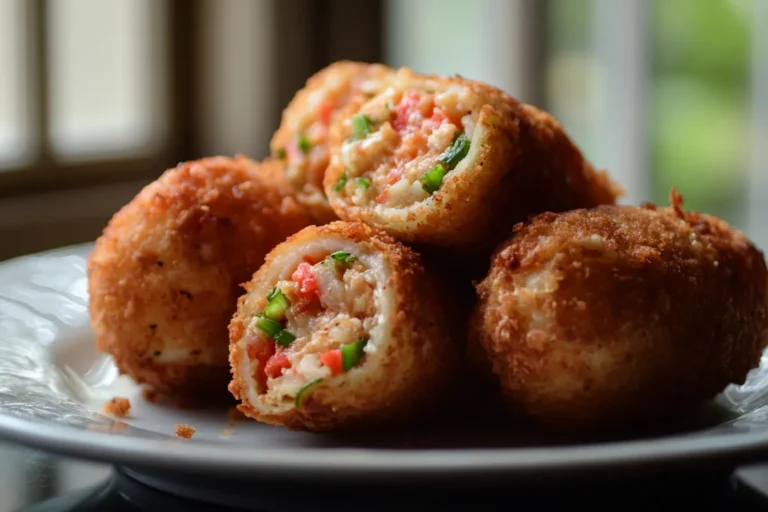
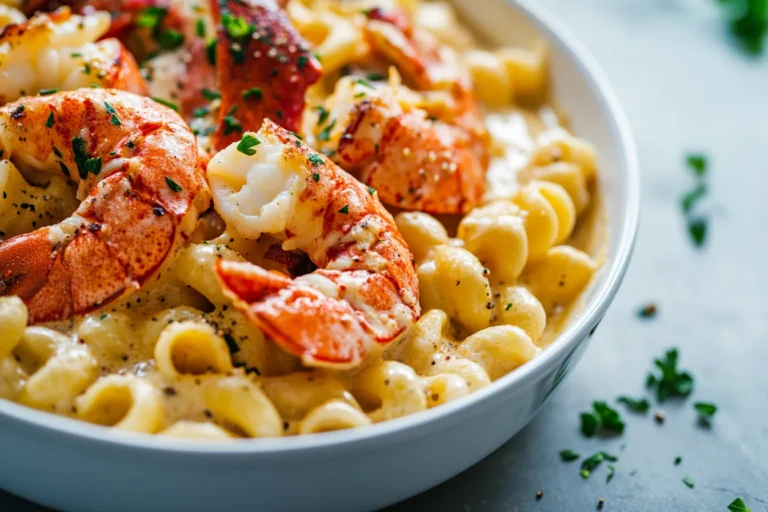
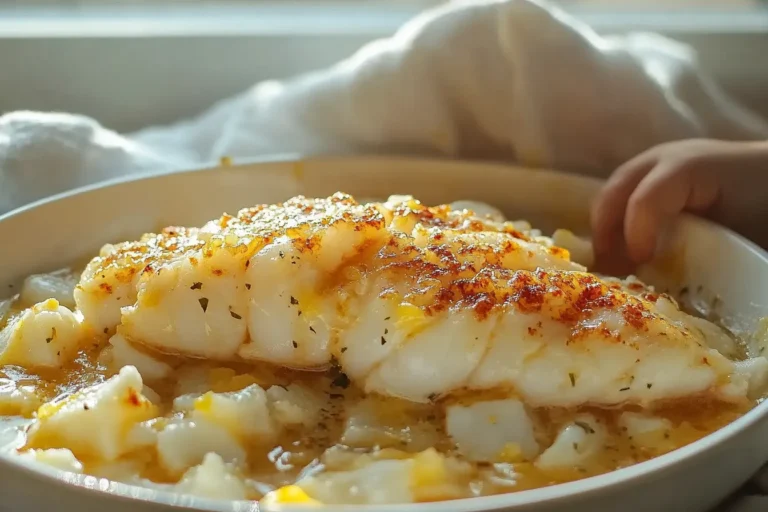
Few seafood preparations evoke the timeless luxury, golden coastal grandeur, and culinary bliss of the Crab Imperial Stuffed Cod Recipe. Pairing pristine, snow-white Atlantic cod loins with sweet colossal lump Maryland blue crab meat bound in a velvety, egg-rich imperial sauce, this classic dish bridges coastal harbor bistros and five-star Michelin chophouses. Baked gently in white wine and basted in rich European butter before receiving a flash of high broil heat, every forkful delivers delicate, buttery fish flakes supporting a decadent crown of sweet, caramelized blue crab.
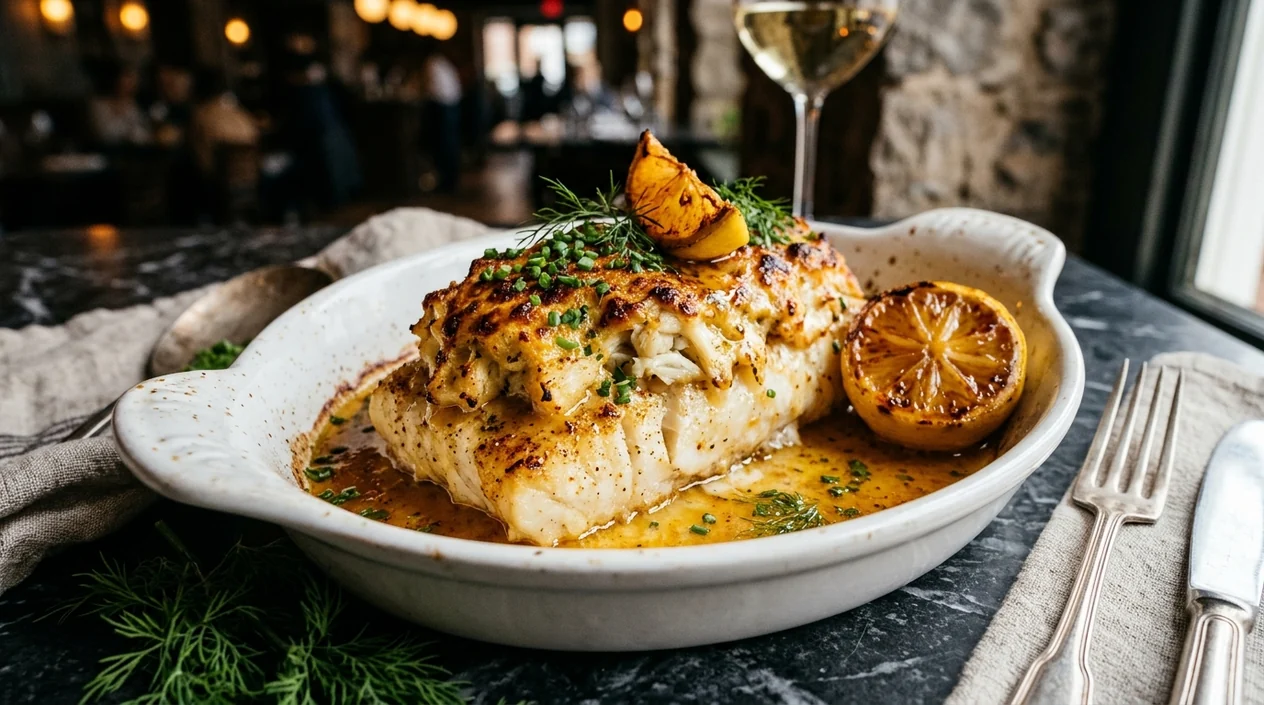
Table of Contents: Masterclass Navigation
- The Chesapeake Heritage of Authentic Crab Imperial
- Gourmet Ingredient Selection and Flavor Architecture
- Ingredient Flavor Profile and Substitution Matrix
- Choosing the Best Cod: Atlantic vs Pacific and Loin vs Fillet
- Step-by-Step Master Culinary Execution
- 4 Gourmet Secrets to Golden Flaky Atlantic Seafood Luxury
- The Science of Steam-Baking and Flash-Broiling Fish
- Sommelier Wine Pairings and Side Dish Harmony
- Storage, Make-Ahead Prep, and Reheating Protocols
- Frequently Asked Questions
The Chesapeake Heritage of Authentic Crab Imperial
The rich tradition of crab imperial originated along the historic shores of Maryland’s Chesapeake Bay during the golden age of Mid-Atlantic fine dining. Conceived as a luxurious enhancement to fresh local catches, imperial sauce combined high-fat mayonnaise, Dijon mustard, fresh egg yolks, and fragrant coastal spices into an emulsion designed to enrich sweet blue crab without masking its natural maritime delicacy.
While often served standalone in porcelain scallop shells, stuffing thick-cut white fish loins with crab imperial became the defining centerpiece of luxury seaside dining. Atlantic cod, with its firm, dense texture, sweet flavor profile, and large succulent flakes, serves as the ultimate culinary canvas for crab imperial. The cod absorbs the aromatic white wine and melted European butter at the base of the skillet while the colossal lump crab meat broils into a bubbly, golden crown.
Throughout the nineteenth and twentieth centuries, grand hotels in Baltimore, Annapolis, and Philadelphia showcased stuffed fish as the epitome of chophouse elegance. Chefs recognized that white fish with mild, clean flavors allowed the colossal lumps of sweet blue crab to take center stage, while the fish’s natural gelatin and collagen provided a velvety, juicy foundation that prevented the gratin from feeling dry or heavy.
Gourmet Ingredient Selection and Flavor Architecture
Achieving restaurant-caliber success with this recipe depends entirely on the freshness and quality of its core seafood elements. Because cooking times are brief and seasonings are refined, premium ingredients shine through with unmatched clarity.
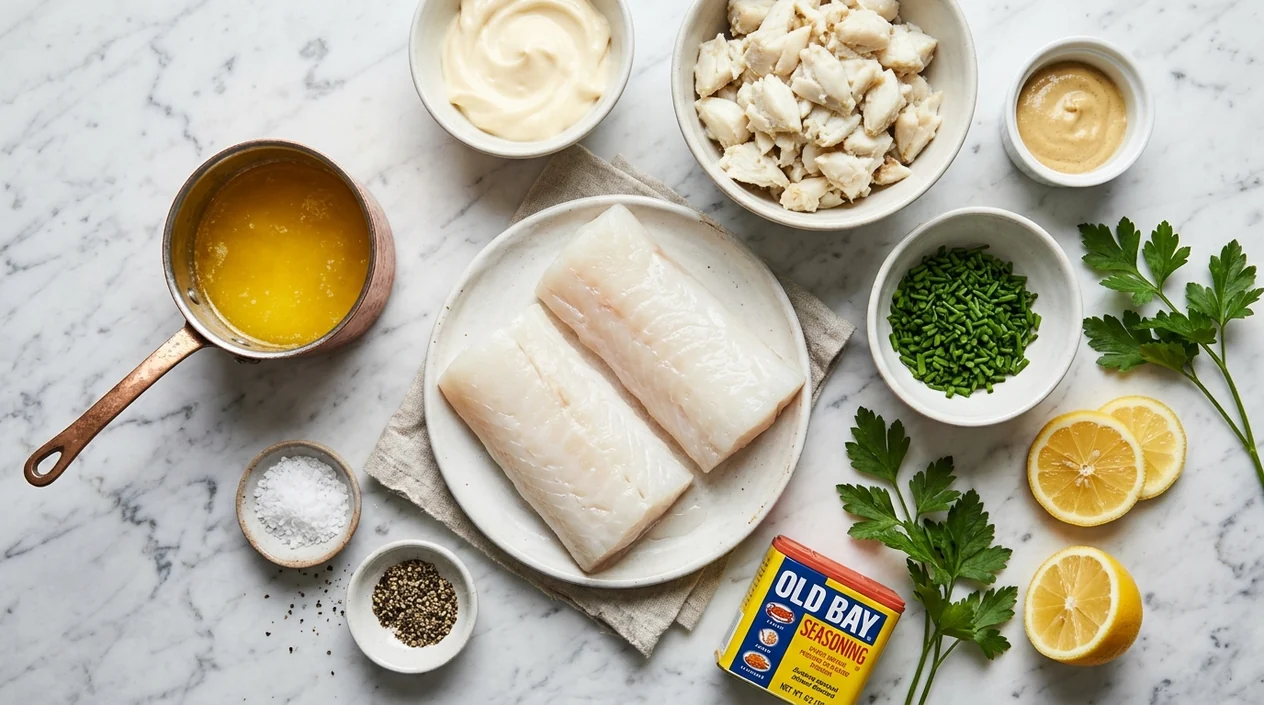
Here are the primary components required for this magnificent seafood creation:
- Center-Cut Atlantic Cod Loins: Choose thick center-cut loins rather than tapered tail pieces. Thick loins (at least 1 inch thick) cook slowly enough to permit the crab imperial stuffing to warm through and brown under the broiler without overcooking the delicate fish below.
- Jumbo Lump Maryland Blue Crab Meat: Fresh, hand-picked jumbo lump crab meat offers the largest, sweetest, most tender pieces of meat. Inspect the meat gently with clean hands before mixing to remove any stray shell fragments while keeping the colossal lumps intact.
- Silky Imperial Emulsion: Whisking whole egg yolk with mayonnaise, Dijon mustard, Worcestershire sauce, and lemon juice creates a rich sauce that browns beautifully under direct broiler heat, producing savory caramelization.
- Authentic Old Bay Seasoning: The iconic blend of celery salt, red pepper, black pepper, and paprika infuses the crab with distinctive Chesapeake bay flavor.
- Dry White Wine: Pouring dry Sauvignon Blanc or Pinot Grigio around the fillets generates aromatic moisture in the pan, ensuring the cod bakes in steam-infused humidity.
- European High-Fat Cultured Butter: Melting 82% butterfat European butter over the stuffed fish creates a glossy sheen and decadent mouthfeel that elevates the pan sauce into restaurant perfection.
Ingredient Flavor Profile and Substitution Matrix
Understanding how each ingredient contributes to the final balance allows home chefs to make thoughtful adjustments without compromising quality:
| Ingredient | Primary Function | Flavor Profile | Gourmet Substitution |
|---|---|---|---|
| Atlantic Cod Loins | Substantial foundation, succulent flakes | Mild, sweet, clean ocean finish | Halibut, Chilean Sea Bass, Haddock |
| Jumbo Lump Crab | Decadent topping, textural centerpiece | Colossal, sweet, delicate sweetness | Backfin crab meat, poached lobster meat |
| Duke’s Mayonnaise | Rich binder, moisture keeper | Creamy, tangy, egg-rich velvet | Homemade mayonnaise or crème fraîche |
| Dijon Mustard | Aromatic brightness, acidity balance | Sharp, zesty, pungent depth | Stone-ground whole grain mustard |
| Old Bay Seasoning | Chesapeake warmth, coastal identity | Peppery, herbal, warm savory celery | Custom blend (celery salt, paprika, cayenne) |
| European Butter | Pan basting, luxurious finish | Nutty, rich, 82% butterfat creaminess | Grass-fed pasture butter (Kerrygold) |
Choosing the Best Cod: Atlantic vs Pacific and Loin vs Fillet
While both Atlantic and Pacific cod belong to the same genus, their textures and culinary characteristics exhibit subtle differences that impact your final dish. Atlantic cod (Gadus morhua) offers slightly firmer, sweeter meat with larger, cleaner flakes. Pacific cod (Gadus macrocephalus) has higher moisture content and slightly softer flakes, making it better suited for rapid pan-frying.
For stuffing and broiling, Atlantic cod is vastly superior because its structural integrity holds up underneath the weight of the crab imperial crown. Always request center-cut cod loins rather than full fillet cuts. The loin represents the thickest portion along the dorsal spine, providing uniform thickness across all four portions for foolproof, consistent roasting.
When purchasing fresh cod at the fish market, look for translucent, snow-white flesh with zero discoloration or yellowish tint. The fish should smell fresh like the ocean breeze, with a firm, elastic bounce when gently pressed. If only frozen fish is available, ensure it was frozen immediately at sea, which preserves the delicate cell walls from ice crystal rupture.
Step-by-Step Master Culinary Execution
Executing this master recipe requires precision in timing and temperature control. Follow these professional steps to achieve perfection:
Step 1: Temper and Dry the Cod Loins. Remove the cod loins from refrigeration approximately fifteen minutes before cooking to shake off extreme refrigerator chill. Pat each loin rigorously with paper towels until the exterior surface is dry to the touch. Lightly score a shallow pocket along the top ridge.
Step 2: Construct the Imperial Binder. In a glass bowl, whisk together the mayonnaise, egg yolk, Dijon mustard, Worcestershire sauce, lemon juice, Old Bay seasoning, and minced fresh herbs until thoroughly emulsified. The mixture should be glossy, fragrant, and smooth.
Step 3: Fold the Colossal Crab. Add the drained jumbo lump crab meat to the bowl. With gentle, sweeping motions, fold the crab into the binder. Treat the crab with respect: broken lumps become pasty, whereas whole chunks yield magnificent restaurant bite.
Step 4: Fill and Mound the Fillets. Transfer the cod loins to your wine-lined baking dish. Spoon the crab imperial mixture into the slit pockets, then pile remaining crab generously over each loin, creating a tall, rounded dome of pure seafood splendor.
Step 5: Roasting and Direct Broiling. Slide the dish into the preheated 375°F (190°C) oven for fourteen minutes. Watch as the white wine bubbles gently around the fish, infusing it with humidity. Shift the oven to high broil for two to three minutes until the peaks of the crab imperial brown into deep golden caramelization.
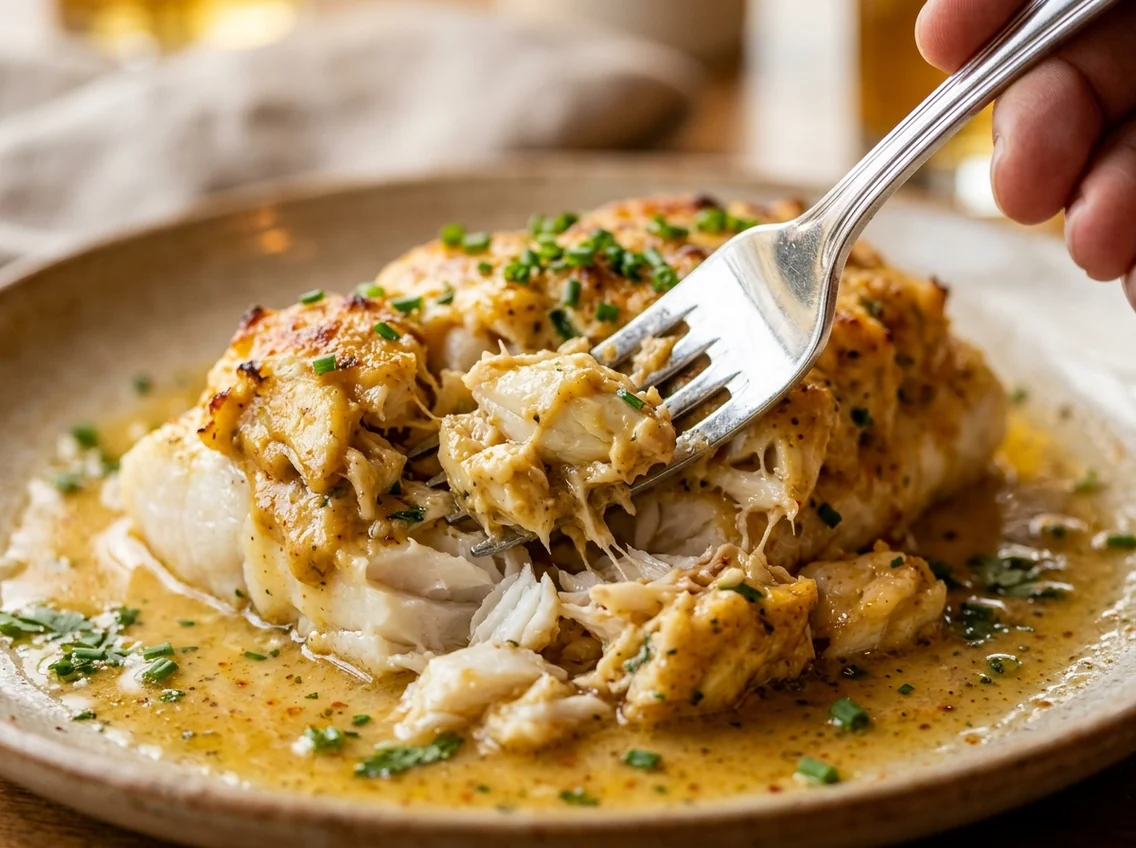
4 Gourmet Secrets to Golden Flaky Atlantic Seafood Luxury
Elevating home seafood preparation to four-star dining standards relies on these indispensable culinary secrets:
1. Gentle Hand-Folding to Protect Colossal Lumps: The visual and textural luxury of crab imperial depends on jumbo lump blue crab. Vigorously stirring crab meat shreds it into fine fibers, losing the distinct sweet morsels that diners expect. Always use a wide silicone spatula and fold with utmost gentleness.
2. White Wine Bottom Steam Bath: Cooking cod in a dry baking dish causes the thin edges to dehydrate before the thick central loin cooks through. Adding one-quarter cup of dry white wine to the base of the dish creates a gentle vapor barrier that circulates moist heat throughout the oven, ensuring tender, glistening flakes.
3. Two-Stage Thermal Roasting (Bake First, Broil Finish): Attempting to broil the dish from start to finish scorches the delicate crab imperial before the raw cod below reaches safe internal temperature (140°F / 60°C). By baking at 375°F first and finishing with a 180-second broil, both seafood components cook to unified, juicy harmony.
4. Fresh Lemon Butter Pan Spooning (Arrosé Finish): Resting the fillets for three minutes allows natural juices to settle. Swirling pan drippings with melted high-fat European butter and spooning it over the crab crowns provides a glistening gloss and vibrant citrus brightness that cuts through rich mayonnaise and butter.
The Science of Steam-Baking and Flash-Broiling Fish
Fish muscle proteins, particularly in Atlantic cod, consist primarily of short collagen fibers (myotomes) separated by delicate connective tissue (myocommata). Unlike beef or pork, which require high internal temperatures to break down dense collagen, cod collagen dissolves into gelatin at a low temperature of approximately 104°F to 110°F (40°C to 43°C).
If exposed to excessive dry heat, the delicate muscle proteins contract violently, squeezing out cellular moisture and rendering the fish dry, rubbery, and chalky. By utilizing the moisture bath created by white wine and finishing with high-intensity infrared radiant heat from the broiler, we protect internal moisture while inducing the Maillard reaction on the egg-rich imperial topping.
Furthermore, the emulsion of egg yolk and mayonnaise contains lecithin, a natural phospholipid that acts as a thermal buffer. Under the broiler, lecithin prevents water evaporation while fat molecules caramelize rapidly into deep umami compounds. This interaction produces a crisp, blistered surface while keeping the interior crab stuffing luscious and creamy.
Sommelier Wine Pairings and Side Dish Harmony
A dish combining sweet blue crab, rich egg imperial sauce, and buttery Atlantic cod calls for wines featuring crisp acidity, minerality, and elegant fruit notes:
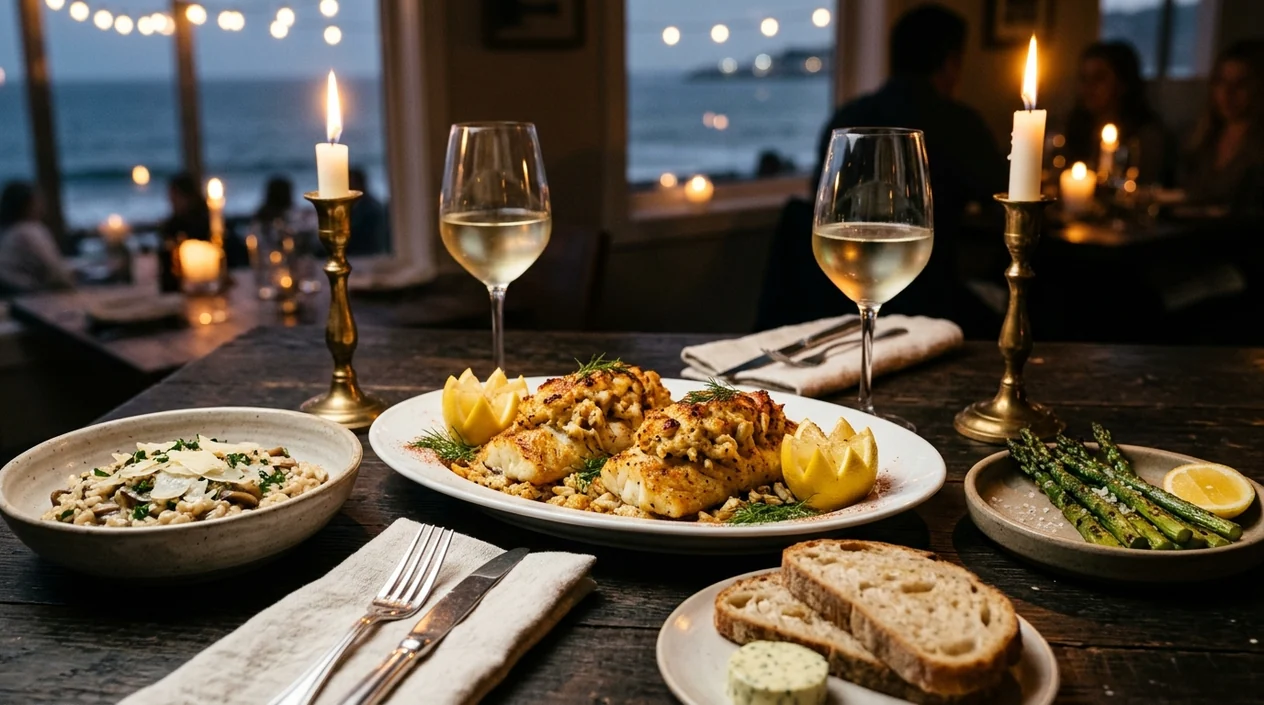
Explore these sommelier-recommended wine and accompaniment pairings:
- Loire Valley Sancerre (Sauvignon Blanc): Crisp flinty minerality, green apple, and lively citrus cut through the rich mayonnaise and butter, lifting the sweet crab profile.
- Chablis Premier Cru (Chardonnay): Unoaked French Chardonnay offers chalky limestone acidity and subtle green citrus notes that complement delicate white fish beautifully without heavy oak tannins.
- Champagne Brut or Blanc de Blancs: Crisp effervescence and lively acidity cleanse the palate between rich bites of crab imperial.
- Gourmet Side Dishes: Serve alongside creamy wild mushroom risotto, roasted jumbo asparagus with Meyer lemon zest, and warm artisanal sourdough bread.
- Fresh Herb Garnish: Generously scattering freshly minced micro-chives and feathery dill fronds just prior to serving adds a pop of vibrant green color and garden-fresh aromatics.
Storage, Make-Ahead Prep, and Reheating Protocols
Make-Ahead Strategy: You can prepare the crab imperial mixture up to twelve hours in advance and store it tightly covered in the refrigerator. Slit and season the cod loins, but assemble the crab crowns onto the fish just before placing the dish into the oven.
Refrigerated Storage: Store any leftover stuffed cod in an airtight glass container in the refrigerator for up to two days. Because of the delicate crab and fish proteins, seafood should be consumed promptly.
Gentle Reheating Method: Never reheat stuffed fish in a microwave, which turns crab rubbery and explodes the fish flakes. Place leftover fillets in a small oven-safe dish, add one tablespoon of water or white wine to the dish, cover loosely with foil, and warm in a 325°F (160°C) oven for ten to twelve minutes until heated through.
Frequently Asked Questions
Can I use frozen cod fillets for this recipe?
Yes, provided they are completely thawed and thoroughly patted dry with paper towels. Excess water from thawing will dilute the imperial sauce and cause the fillets to boil rather than roast.
What is the difference between crab cakes and crab imperial?
Crab cakes rely on breadcrumb binders and eggs to form firm, searable patties. Crab imperial uses minimal or no filler, utilizing a rich mayonnaise-egg emulsion as an indulgent topping that bakes into a creamy, golden gratin.
Can I substitute claw crab meat for jumbo lump?
While claw meat offers robust flavor, it possesses a darker color, finer texture, and stronger taste. For an authentic five-star presentation, jumbo lump or colossal lump crab meat provides the sweet, snow-white aesthetic that makes this dish famous.
How do I know when the cod is fully cooked?
Insert the tip of a paring knife into the thickest part of the cod loin. If the flakes separate easily with gentle pressure and the core is opaque white rather than translucent, the fish has reached the ideal internal temperature of 140°F (60°C).

Crab Imperial Stuffed Cod Recipe
- Total Time: 38 mins
- Yield: 4 servings 1x
Description
Thick, pristine Atlantic cod fillets slit and generously mounded with sweet colossal lump Maryland crab imperial filling, baked gently in white wine lemon butter, and flash-broiled until bubbly and golden.
Ingredients
- Prime Atlantic Cod Fillets:
- 4 thick-cut Atlantic cod loins (approx. 6 to 7 oz / 180 to 200g each, about 1.5 lbs / 700g total)
- 2 tablespoons extra-virgin olive oil
- 1/2 teaspoon kosher salt and 1/4 teaspoon freshly cracked white pepper
- Colossal Lump Crab Imperial Filling:
- 12 oz (340g) jumbo lump fresh Maryland blue crab meat (drained and gently picked over for shells)
- 1/3 cup high-fat real mayonnaise (Duke’s or homemade)
- 1 large egg yolk (lightly beaten)
- 1.5 teaspoons Worcestershire sauce
- 1.5 teaspoons Dijon mustard (smooth French style)
- 1.5 teaspoons authentic Old Bay seasoning
- 1 tablespoon fresh Meyer lemon juice
- 2 tablespoons finely minced fresh flat-leaf parsley
- 1 tablespoon finely sliced fresh chives
- 2 tablespoons crushed buttery Ritz crackers (optional, for delicate binder)
- Pan Glaze & Finishing Butter:
- 4 tablespoons (1/2 stick / 60g) unsalted European butter, melted
- 1/4 cup dry white wine (Sauvignon Blanc or Pinot Grigio)
- Fresh lemon wedges and fresh dill frills for serving
Instructions
- Preheat Oven and Prep Baking Dish: Position an oven rack in the center position and preheat your oven to 375°F (190°C). Lightly grease a large porcelain baking dish or cast iron gratin pan with olive oil. Pour the dry white wine into the bottom of the dish to create an aromatic steam bath that keeps the fish extraordinarily moist during roasting.
- Mix the Decadent Imperial Binding Sauce: In a medium mixing bowl, whisk together the mayonnaise, egg yolk, Dijon mustard, Worcestershire sauce, Old Bay seasoning, fresh lemon juice, minced parsley, and sliced chives until smooth, silky, and uniform.
- Gently Fold the Jumbo Lump Crab: Add the picked jumbo lump crab meat and crushed cracker crumbs to the bowl. Using a silicone spatula, fold the mixture with extreme gentleness, working around the edges and lifting from the bottom. Do not overmix or break the large, sweet crab lumps; maintaining whole chunks is the trademark of authentic Maryland crab imperial.
- Prepare and Slit the Cod Loins: Pat the cod fillets completely dry with paper towels. Using a sharp paring knife, make a lengthwise pocket slit along the top center of each cod loin, cutting about halfway down without slicing all the way through the fish. Season both sides of the fillets lightly with kosher salt, white pepper, and a light mist of olive oil.
- Mound with Crab Imperial: Place the cod fillets into the prepared baking dish with at least 1.5 inches of space between them. Using your hands or a large spoon, generously divide the crab imperial mixture among the fillets, packing and mounding it high on top of each slit pocket into a luscious, rounded crown.
- Bake and Golden Broil: Drizzle 2 tablespoons of melted European butter over the crab crowns. Bake at 375°F (190°C) for 14 to 15 minutes, until the cod turns opaque and begins to flake gently when tested with a knife tip. Switch your oven to the High Broil setting and broil for 2 to 3 minutes, watching closely until the crab imperial develops bubbling, golden-brown caramelized peaks.
- Rest, Butter-Glaze, and Serve: Remove from the oven and let rest for 3 minutes. Drizzle the remaining 2 tablespoons of melted butter mixed with pan juices directly over each fillet. Garnish with fresh dill sprigs, chives, and lemon wedges, serving immediately while steaming hot.
Notes
Using cold, high-quality jumbo lump crab meat and folding it with minimal agitation preserves the colossal chunks that contrast gorgeously with the tender white flakes of Atlantic cod. Pouring white wine into the baking dish prevents the fish from drying out while baking.
- Prep Time: 20 mins
- Cook Time: 18 mins
If you want more seafood recipes, Explore now
Follow us on Facebook and Pinterest for cooking tips, delicious recipes, and more ideas.