Braised Lamb Shanks Recipe: 4 Gourmet Secrets to Fall-off-the-Bone Luxury
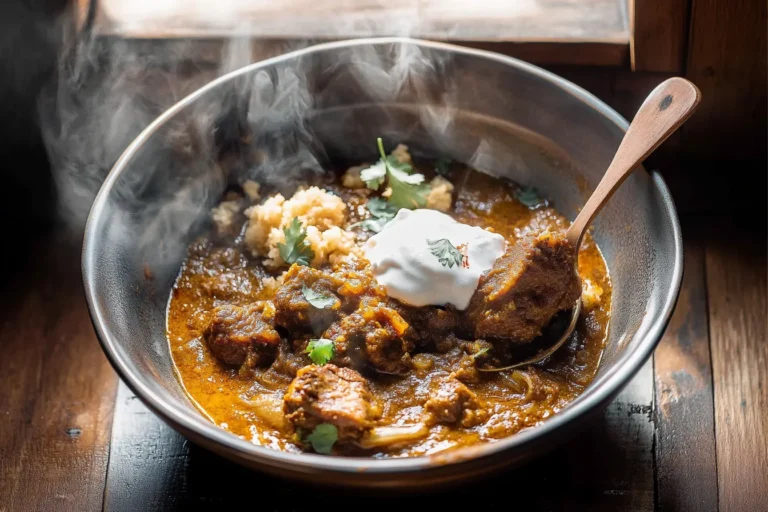
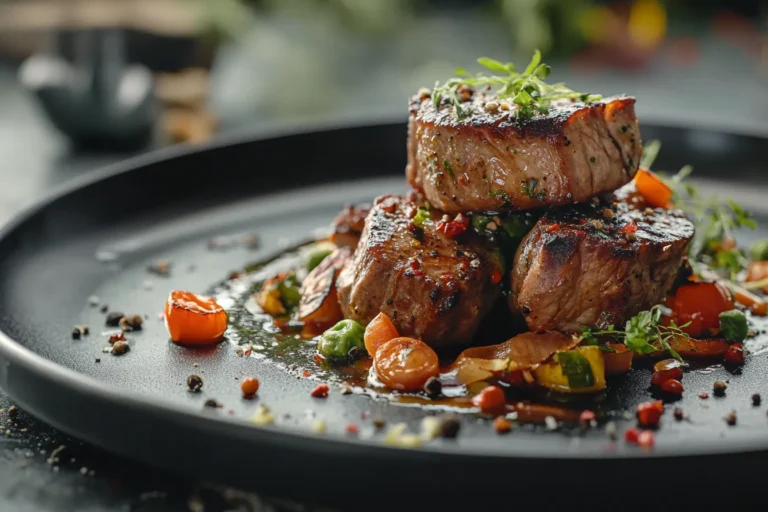
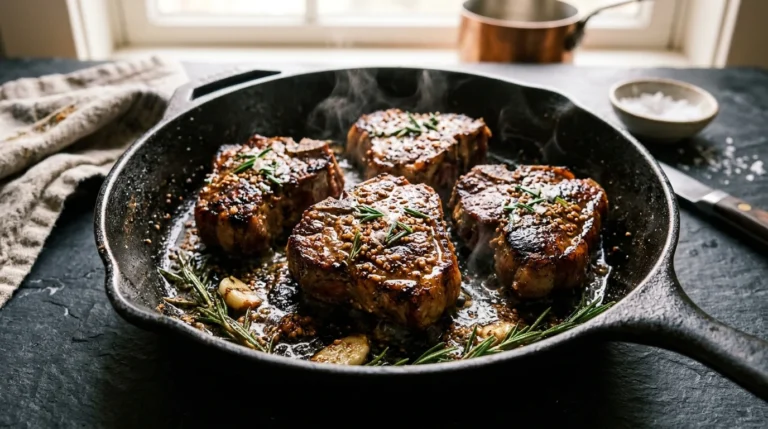
Few culinary presentations rival the primal satisfaction, intoxicating aroma, and deep comfort of this definitive Braised Lamb Shanks Recipe. When slow-cooked until the connective collagen dissolves into rich gelatin and the succulent meat gently pulls away from the bone at the mere touch of a fork, bone-in lamb shank transforms into the ultimate fine dining centerpiece. Bathed in a deeply concentrated reduction of bold dry red wine, aromatic rosemary, sweet carrots, and caramelized garlic, this dish represents slow-cooked luxury at its finest.
This culinary masterclass builds upon the proven roasting methods and herbal synergies perfected in our celebrated holiday champion, the famous Tender Lamb Loin Roast Mouthwatering Dish for Foodies. While that popular roast celebrated the lean, delicate tenderness of quick dry-heat cooking, this magnificent Braised Lamb Shanks Recipe harnesses the transformative power of low-and-slow wet braising, converting hearty, collagen-dense foreshanks into velvety, succulent luxury that melts effortlessly on the tongue.
Table of Contents: Navigating Your Braised Lamb Shanks Recipe
- Why This Braised Lamb Shanks Recipe Triumphs Over Others
- Selecting Lamb Shanks: Foreshanks vs Hindshanks and Sourcing Tips
- The Science of Braising: Converting Tough Collagen into Liquid Gelatin
- The 4 Gourmet Secrets to Fall-off-the-Bone Luxury
- Detailed Step-by-Step Culinary Preparation Workflow
- Selecting the Ideal Braising Wine and Aromatic Flavor Base
- Cooking Method Comparison: Dutch Oven vs Slow Cooker vs Pressure Cooker
- Troubleshooting Guide: Avoiding Common Lamb Braising Mistakes
- Gourmet Plating Presentations and Elegant Bistro Accompaniments
- Make-Ahead Entertaining Strategies and Reheating Guidelines
- Frequently Asked Questions About Braised Lamb Shanks
- Official Printable Recipe Card and Nutritional Breakdown
Why This Braised Lamb Shanks Recipe Triumphs Over Others
Many home cooks find braised meats turn out dry, greasy, or swimming in a watery, flavorless broth. The fundamental flaw lies in rushing the sear, boiling rather than gently simmering, and failing to degrease and reduce the braising jus. This refined Braised Lamb Shanks Recipe eliminates those pitfalls through a four-stage chef technique that guarantees restaurant-quality results every single time.
First, we execute a deep, dark caramelized Maillard sear on all sides of the seasoned shanks before any liquid touches the pan. Second, we build a complex flavor foundation by caramelizing tomato paste and mirepoix vegetables in the rendered lamb drippings. Third, we submerge the shanks in an unctuous braising liquid of dry red wine, rich stock, fresh rosemary, thyme, and garlic heads, cooking at a gentle 325 degrees Fahrenheit until tender. Finally, we strain and reduce the braising broth into a glossy, velvety mahogany glaze that clings luxuriously to the meat.

Selecting Lamb Shanks: Foreshanks vs Hindshanks and Sourcing Tips
Understanding the anatomy of the cut is essential for achieving perfection in this Braised Lamb Shanks Recipe. Lamb shanks come from the lower portion of the animal’s leg, an area packed with hard-working muscle fibers, sinew, and rich marrow bones:
| Cut Attribute | Lamb Foreshanks (Front Leg) | Lamb Hindshanks (Back Leg) | Culinary Recommendation |
|---|---|---|---|
| Portion Size and Weight | 12 to 16 ounces per shank | 16 to 24 ounces per shank | Foreshanks provide ideal single-portion elegance; hindshanks serve hearty appetites |
| Meat to Bone Ratio | Slightly more slender bone profile | Larger, thicker center marrow bone | Both yield exceptional tenderness when cooked low and slow |
| Connective Tissue Content | High collagen throughout muscle seams | Dense collagen and rich interior bone marrow | Hindshanks produce slightly richer, silkier braising reductions |
| Cooking Time Required | 2 hours to 2 hours and 30 minutes | 2 hours and 30 minutes to 3 hours | Adjust cooking duration based on shank weight and bone thickness |
When shopping at your local butcher or specialty market, look for plump, pinkish-red shanks with the bone neatly frenched (trimmed clean at the narrow joint). Frenched shanks not only present beautifully on the plate, but they also prevent excess connective membrane from toughening during braising.
The Science of Braising: Converting Tough Collagen into Liquid Gelatin
The magic behind this Braised Lamb Shanks Recipe lies in basic food chemistry. Raw lamb shank is exceptionally tough because it contains high levels of type I collagen, a triple-helix protein that binds muscle fibers tightly together. If you were to grill or pan-sear a lamb shank like a steak, the muscle would contract violently into an inedible, rubbery mass.
However, when submerged in braising liquid and held at an internal temperature between 160 and 180 degrees Fahrenheit for several hours, collagen undergoes thermal denaturation. The tough triple-helix unwinds and hydrolyzes into gelatin. Gelatin holds up to ten times its weight in water, coating every individual muscle fiber in rich moisture. This produces the signature mouthfeel of braised meat: succulent, unctuous, and so tender it dissolves effortlessly on the palate.
The 4 Gourmet Secrets to Fall-off-the-Bone Luxury
To elevate this comforting winter stew into a Michelin-level masterpiece, implement these four crucial culinary secrets in your Braised Lamb Shanks Recipe:
- Secret 1: Aggressive Pre-Salt and Deep Crust Sear: Season the shanks generously with kosher salt and freshly cracked black pepper at least 45 minutes before cooking, allowing the salt to penetrate deep into the muscle. When searing, use a heavy enameled cast-iron Dutch oven over medium-high heat with a high-smoke-point oil. Do not rush this step; searing should take 10 to 12 minutes, turning every 3 minutes until every side displays a deep golden-brown mahogany crust.
- Secret 2: Caramelizing the Tomato Paste (Pincage): After sautéing your onions, carrots, and celery, clear a space in the center of the pot and cook two tablespoons of double-concentrated tomato paste directly against the hot metal for 2 minutes. This French technique, known as pincage, caramelizes the natural sugars in the tomato, banishing raw acidity and introducing deep umami complexity.
- Secret 3: Full Bottle Wine Reduction: Rather than dumping wine and stock in simultaneously, pour an entire bottle of bold dry red wine over the caramelized vegetables and simmer vigorously until reduced by half. Reducing the wine first cooks off harsh alcohol fumes and concentrates the luscious dark fruit notes, creating a rich foundation for the braising sauce.
- Secret 4: Defatting and Glazing the Pan Jus: Never serve the braising liquid straight from the pot. Strain the cooked braising vegetables, skim away the rendered top layer of lamb fat, and simmer the remaining liquid over medium heat until it reduces into a glossy, spoon-coating jus (demi-glace consistency). Whisking in two tablespoons of cold butter off the heat yields a luxurious restaurant finish.
Detailed Step-by-Step Culinary Preparation Workflow
Follow this chef-tested preparation roadmap to achieve culinary perfection with your Braised Lamb Shanks Recipe:
- Prep and Season: Pat four bone-in lamb shanks thoroughly dry with paper towels. Season generously on all sides with 1.5 teaspoons of kosher salt and 1 teaspoon of freshly cracked black pepper. Let rest at room temperature for 30 minutes.
- Execute the Deep Sear: Heat 2 tablespoons of olive oil in a large 6-quart to 8-quart enameled Dutch oven over medium-high heat until shimmering. Add the shanks two at a time without crowding. Sear each side for 3 to 4 minutes until deeply browned on all sides (10 to 12 minutes total). Transfer seared shanks to a platter.
- Sauté Mirepoix Aromatics: Lower heat to medium. Add 1 diced yellow onion, 2 peeled and sliced carrots, and 2 sliced celery ribs to the rendered lamb drippings. Cook for 6 to 8 minutes until vegetables begin to soften and pick up golden color. Stir in 1 whole head of garlic halved crosswise to expose the cloves.
- Caramelize Tomato Paste: Push vegetables to the sides of the Dutch oven. Add 2 tablespoons of tomato paste directly onto the hot center of the pot. Cook stirring continuously for 2 minutes until the paste turns a deep brick-red color.
- Deglaze and Reduce Red Wine: Pour in 1 full bottle (750 ml) of dry red wine (such as Cabernet Sauvignon or Syrah). Use a wooden spoon to thoroughly scrape up all browned bits (fond) stuck to the bottom of the Dutch oven. Bring to a rolling boil and simmer vigorously for 10 minutes until the wine reduces by half.
- Assemble the Braise: Pour in 3 cups of rich beef or veal stock. Nest the seared lamb shanks back into the Dutch oven, standing them bone-up if possible or laying them flat so they are at least two-thirds submerged. Tuck in 4 sprigs of fresh rosemary, 6 sprigs of fresh thyme, and 2 dried bay leaves.
- Low and Slow Oven Braise: Cover the Dutch oven with a tight-fitting lid. Transfer to an oven preheated to 325 degrees Fahrenheit (165 degrees Celsius). Braise undisturbed for 2 hours to 2 hours and 30 minutes, turning the shanks once halfway through, until the meat is completely fork-tender and beginning to pull cleanly away from the bone.
- Refine and Glaze the Jus: Gently transfer the cooked lamb shanks to a warm serving platter and tent loosely with foil. Pour the braising liquid through a fine-mesh sieve into a saucepan, pressing gently on the softened vegetables to extract maximum flavor. Discard spent aromatics. Skim the surface fat using a ladle or fat separator. Simmer the strained jus over medium-high heat for 8 to 10 minutes until reduced by half into a glossy, rich sauce. Turn off heat and whisk in 2 tablespoons of cold butter. Spoon the velvet jus generously over the warm shanks, garnish with fresh parsley, and serve immediately.

Selecting the Ideal Braising Wine and Aromatic Flavor Base
Because the wine reduces significantly, its flavor profile concentrates exponentially in this Braised Lamb Shanks Recipe. Avoid sweet, light, or overly oaky wines. Instead, choose full-bodied dry red wines packed with bold tannins, dark berry fruits, and balanced acidity:
| Wine Variety | Flavor Characteristics | Braising Impact on Lamb | Chef Recommendation Level |
|---|---|---|---|
| Cabernet Sauvignon | Blackcurrant, cedar, structured firm tannins | Bold backbone cuts through rich lamb fat; creates mahogany color | Highly Recommended; classic steakhouse standard |
| Syrah / Shiraz | Blackberry, cracked black pepper, smoked meat | Peppery notes harmonize seamlessly with rosemary and lamb gaminess | Outstanding; provides exceptional depth and savory warmth |
| Merlot or Bordeaux Blend | Plum, black cherry, cocoa, supple rounded tannins | Produces a sweeter, softer, highly aromatic braising glaze | Excellent; highly approachable for family dinners |
| Pinot Noir | Light red cherry, subtle earthy forest floor | Too delicate; flavor gets overpowered by rich lamb and garlic | Not Recommended; lacks sufficient body and concentrated pigment |
Cooking Method Comparison: Dutch Oven vs Slow Cooker vs Pressure Cooker
While the traditional enameled cast-iron Dutch oven in a conventional oven yields the most even heat distribution and best sauce reduction, this Braised Lamb Shanks Recipe adapts beautifully to alternative kitchen appliances:
| Cooking Appliance | Cooking Temperature & Timing | Pros | Cons |
|---|---|---|---|
| Enameled Cast-Iron Dutch Oven | 325°F (165°C) for 2.5 hours | Superior all-around radiant heat; natural reduction through lid seal; best flavor depth | Requires oven space and heavy cookware |
| Slow Cooker (Crockpot) | Low setting for 7 to 8 hours (or High for 4 hours) | Hands-off convenience; perfect for busy workdays | Zero evaporation occurs; braising liquid must be transferred to stovetop to reduce |
| Electric Pressure Cooker (Instant Pot) | High Pressure for 45 minutes + 15 min natural release | Ultra-fast; delivers fall-apart tenderness in under an hour | Less depth of caramelization; requires separate sauté reduction step |
Troubleshooting Guide: Avoiding Common Lamb Braising Mistakes
Even dedicated culinary enthusiasts occasionally face challenges when braising hearty cuts. Here is your quick troubleshooting manual for this Braised Lamb Shanks Recipe:
| Problem Observed | Root Culinary Cause | Immediate Correction | Prevention For Next Time |
|---|---|---|---|
| Meat is still tough and chewy | Undercooked; collagen has not yet fully hydrolyzed | Return to oven for 30 to 45 additional minutes | Always test with a fork; the meat should yield with zero resistance |
| Sauce is greasy and oily | Rendered lamb marrow and subcutaneous fat was not skimmed | Pour sauce into a fat separator cup or chill 20 minutes to solidify surface fat | Trim excessive exterior fat caps prior to searing and strain through fine mesh |
| Sauce tastes unpleasantly sour or sharp | Wine was not reduced before adding stock, or cheap cooking wine was used | Whisk in 1 teaspoon brown sugar or balsamic glaze and 2 tablespoons cold butter | Always reduce wine by half on high heat before adding stock and aromatics |
| Meat has dried out despite braising | Oven temperature was too high, causing liquid to boil violently | Shred meat and toss in hot, defatted, reduced pan sauce before serving | Keep oven temperature strictly at 325°F or lower; maintain gentle simmer |
Gourmet Plating Presentations and Elegant Bistro Accompaniments
A showstopping entree like this Braised Lamb Shanks Recipe deserves accompaniments capable of capturing the luscious red wine jus while offering refreshing texture contrast:
- Creamy Garlic Mashed Potatoes: Made with Yukon Gold potatoes, roasted garlic cloves, heavy cream, and European butter. The creamy potato base acts as a decadent sponge for the rich mahogany gravy.
- Parmesan Polenta: Soft, slow-cooked coarse polenta enriched with aged Parmigiano-Reggiano and mascarpone cheese offers classic Northern Italian rustic luxury.
- Lemon Herb Gremolata: A vibrant raw condiment made from minced Italian flat-leaf parsley, fresh lemon zest, and finely grated garlic. Sprinkling a pinch of gremolata over the shank right before serving cuts through the rich lamb fat with exhilarating citrus brightness.
- Glazed Honey-Thyme Carrots: Tender baby rainbow carrots roasted with honey and fresh thyme sprigs provide gentle sweetness that balances the savory gaminess of the braised meat.
Make-Ahead Entertaining Strategies and Reheating Guidelines
Like many slow-cooked stews, this Braised Lamb Shanks Recipe actually tastes significantly better on the second day. As the dish cools overnight, the flavors harmonize, the lamb absorbs the aromatic wine notes, and the fat solidifies cleanly at the top of the container for effortless removal:
- Make-Ahead Method: Prepare the recipe completely up to 48 hours in advance. Allow the Dutch oven to cool to room temperature, then cover tightly and refrigerate. The next day, easily lift and discard the solid layer of orange-white fat from the surface.
- Reheating to Perfection: Place the covered Dutch oven in a 325 degree Fahrenheit oven for 30 to 40 minutes until warmed through. Alternatively, warm gently on the stovetop over medium-low heat, basting the shanks frequently with the rich sauce.
- Freezer Storage: Pack cooled shanks and braising sauce in heavy-duty airtight freezer containers for up to 3 months. Thaw overnight in the refrigerator before reheating gently.
Frequently Asked Questions About Braised Lamb Shanks
Can I make this Braised Lamb Shanks Recipe without alcohol?
Yes! Substitute the red wine with an equal quantity of rich beef stock combined with 2 tablespoons of aged balsamic vinegar and 2 tablespoons of 100% pomegranate juice or tart cherry juice to mimic the natural acidity and dark fruit tannins of dry wine.
Should the lamb shanks be completely covered in liquid?
No. In true braising, the shanks should be submerged between one-half and two-thirds of the way up. The exposed upper portion browns and develops roasted character from the dry oven heat, while the submerged portion breaks down in the moist liquid.
What is the best cut of lamb if shanks are unavailable?
Bone-in lamb shoulder chops, bone-in lamb neck slices, or bone-in beef short ribs make outstanding substitutes, cooking under the exact same timing and temperature guidelines.
Official Printable Recipe Card and Nutritional Breakdown
Print
Braised Lamb Shanks Recipe
- Total Time: 2 hours 50 minutes
- Yield: 4 servings 1x
Description
Melt-in-your-mouth tender braised lamb shanks slow-simmered in a rich garlic, rosemary, and Cabernet Sauvignon red wine reduction.
Ingredients
- 4 large bone-in lamb shanks (approx. 12–14 oz each), trimmed of excess surface fat
- 1 tbsp coarse kosher salt
- 1.5 tsp freshly cracked black pepper
- 2 tbsp high-smoke-point avocado oil or olive oil
- 1 large yellow onion, finely diced
- 2 large heirloom carrots, cut into 1-inch chunks
- 2 stalks celery, sliced into 1-inch pieces
- 1 whole head of garlic, sliced horizontally across the top to expose cloves
- 2.5 tbsp double-concentrated tomato paste
- 2.5 cups bold dry red wine (Cabernet Sauvignon or Syrah)
- 3 cups rich homemade or low-sodium beef bone broth
- 4 sprigs fresh rosemary
- 6 sprigs fresh English thyme
- 2 dried Turkish bay leaves
- 2 tbsp unsalted European butter (to mount the final reduction)
- Fresh Italian flat-leaf parsley, finely chopped for garnish
Instructions
- Season and Prep: Pat the lamb shanks thoroughly dry with paper towels. Season generously on all sides with kosher salt and freshly cracked black pepper. Allow meat to sit at room temperature for 20 minutes.
- Hard Sear: Heat the avocado oil in a heavy-bottomed 6-to-8-quart enameled cast iron Dutch oven over medium-high heat. Sear the lamb shanks in two batches for 4 to 5 minutes per side until deeply caramelized with a dark golden-brown crust. Transfer shanks to a resting platter.
- Aromatics and Fond Deglazing: Reduce heat to medium. Add diced onions, carrots, and celery to the residual rendered fat. Sauté for 6 minutes until tender and fragrant. Stir in tomato paste and garlic head halves; cook for 2 minutes until the paste turns a deep rusty brick-red.
- Wine Reduction: Pour in the Cabernet Sauvignon, scraping up every bit of fond from the bottom of the Dutch oven with a wooden spoon. Simmer vigorously for 8 to 10 minutes until the wine reduces by half.
- Assemble and Braise: Pour in the beef bone broth and nestle the fresh rosemary, thyme sprigs, and bay leaves into the liquid. Submerge the lamb shanks back into the pot, bone ends upright (liquid should come up three-quarters of the way). Cover tightly with a sheet of parchment paper, then the heavy lid. Braise in a preheated oven at 325°F (165°C) for 2.5 hours, turning the shanks once halfway through, until the meat is fork-tender and yielding.
- Velvety Sauce Mount: Transfer shanks to a warm serving platter and tent loosely with foil. Discard herb sprigs and garlic skins. Skim excess surface fat from braising liquid. Simmer the pan sauce on the stovetop over medium heat for 6 to 8 minutes until glossy and coats the back of a spoon. Whisk in cold butter off the heat. Pour the glossy reduction over the lamb shanks and serve immediately.
Notes
For maximum depth of flavor, braise the lamb shanks one day ahead and refrigerate overnight. Skim hardened fat before gently reheating.
- Prep Time: 20 minutes
- Cook Time: 2 hours 30 minutes
- Category: Lamb Dinner
- Cuisine: Gourmet Bistro
If you want more lamb recipes, Explore now
Follow us on Facebook and Pinterest for cooking tips, delicious recipes, and more ideas.